

Loss of Volume
Loss of facial volume is fundamental to visible facial ageing, showing as a general flattening of the face’s natural contours.
What is loss of facial volume?
Loss of facial volume is fundamental to visible facial ageing, showing as a general flattening of the face’s natural contours. Dr Sateei always looks at the face as a whole, restoring lost support for a natural, refreshed look.
What causes loss of facial volume?
Collagen production declines from the mid-twenties, accelerating after menopause. Fat pads in the cheeks and temples reduce and shift, and facial bones remodel gradually. Genetics, sun exposure, smoking and significant weight loss all influence timing and severity.
Signs and Symptoms
Flattening cheeks, increased shadowing around eyes and temples, deeper nasolabial folds, a less defined jawline, and a general “tired” or “different” look.
Treatment options
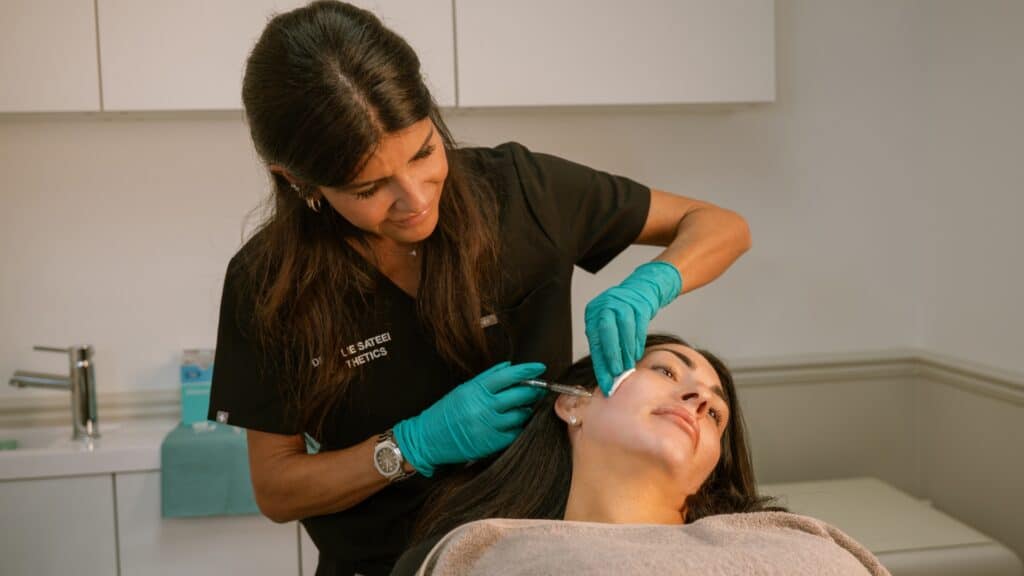
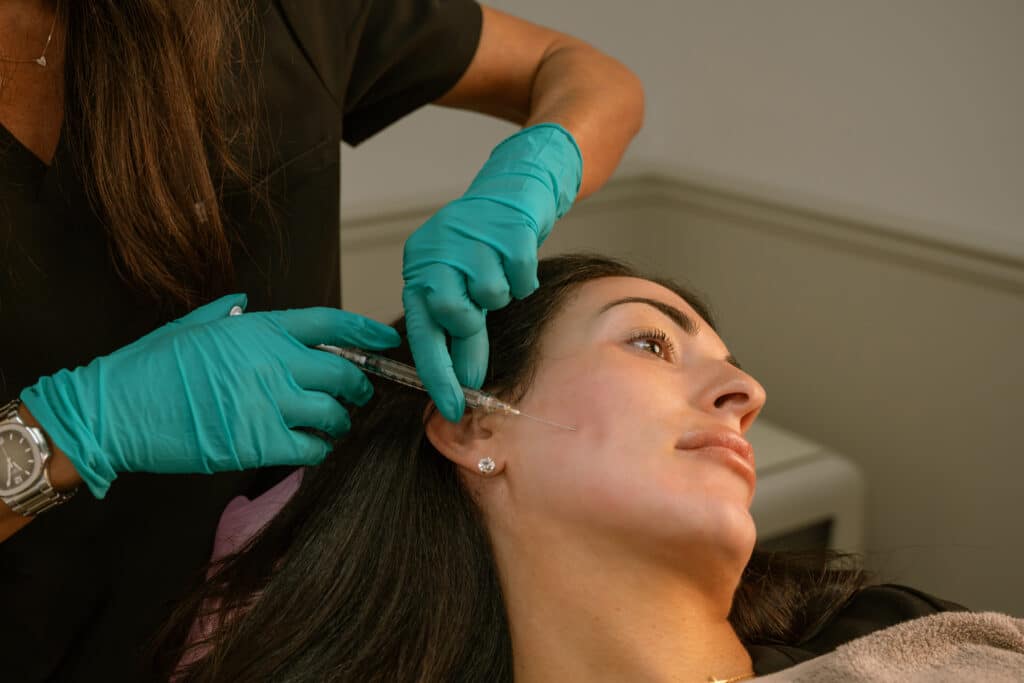
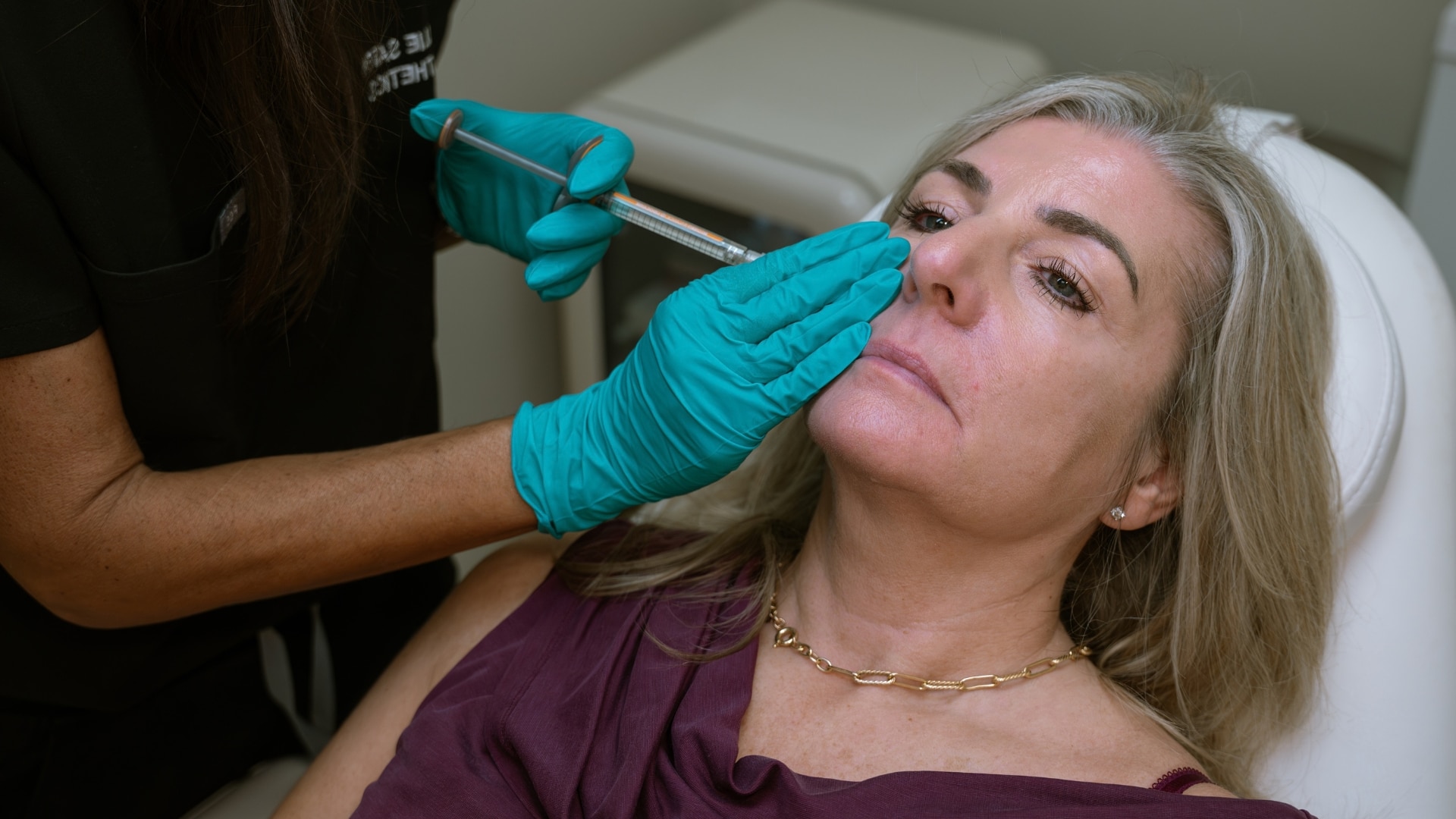
Dermal fillers are the cornerstone, restoring support to cheeks, temples and jawline for a subtle, undetectable result. Radiesse biostimulation and Julaine encourage the skin’s own collagen production for a gradual, longer-term approach. Skin boosters improve hydration and elasticity. For widespread volume loss, a Dr Ellie’s Signature Full Face Rejuvenation approach assessing multiple areas together may be recommended.


Why choose Dr Ellie Sateei?
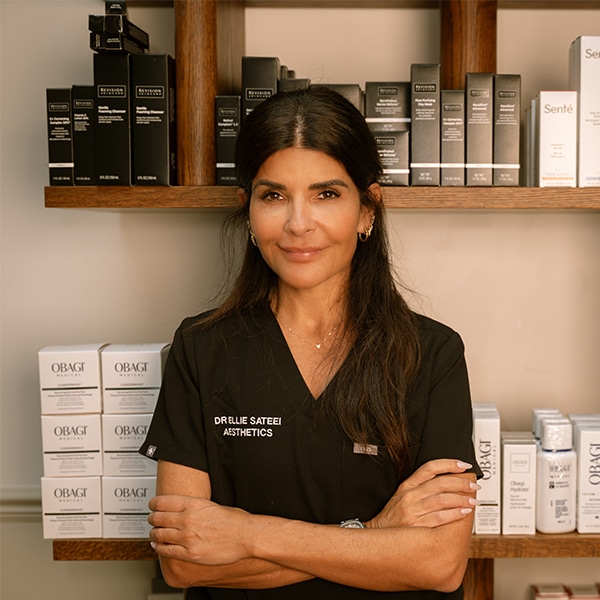
Restoring volume well requires genuine anatomical understanding, central to Dr Sateei’s approach after over twenty years of experience, at her London clinic (near Harley Street).
Loss of Volume FAQs
Declining collagen, fat redistribution and bone remodelling with age; genetics, sun exposure, smoking and weight loss accelerate it.
Sun protection, stable weight and general skin health can slow visibility.
Depends on affected areas; dermal fillers, sometimes with Radiesse or Julaine.
Duration depends on the product: filler six months to two years; biostimulators build gradually.
Mild discomfort; topical numbing available.
Some mild swelling/bruising, settling within days.
Filler immediately after swelling settles; biostimulators build over weeks to months.
Most adults noticing flattening, confirmed via assessment.
No, Dr Sateei’s approach is subtle and natural.
Often, since volume loss rarely occurs in isolation.
Treatments of interest
Loss of volume treatment is often planned alongside these.