

Microneedling in London
Microneedling prompts the skin to build its own new collagen, improving texture, firmness and quality over a course of treatments.
Microneedling at a Glance
Microneedling
From £350
What Does Microneedling Do?
Microneedling is a medical-grade treatment that creates thousands of tiny, controlled channels in the skin to trigger its natural repair response. That repair is what produces new collagen and elastin, and it is why the treatment improves texture and firmness rather than simply resurfacing the top layer.
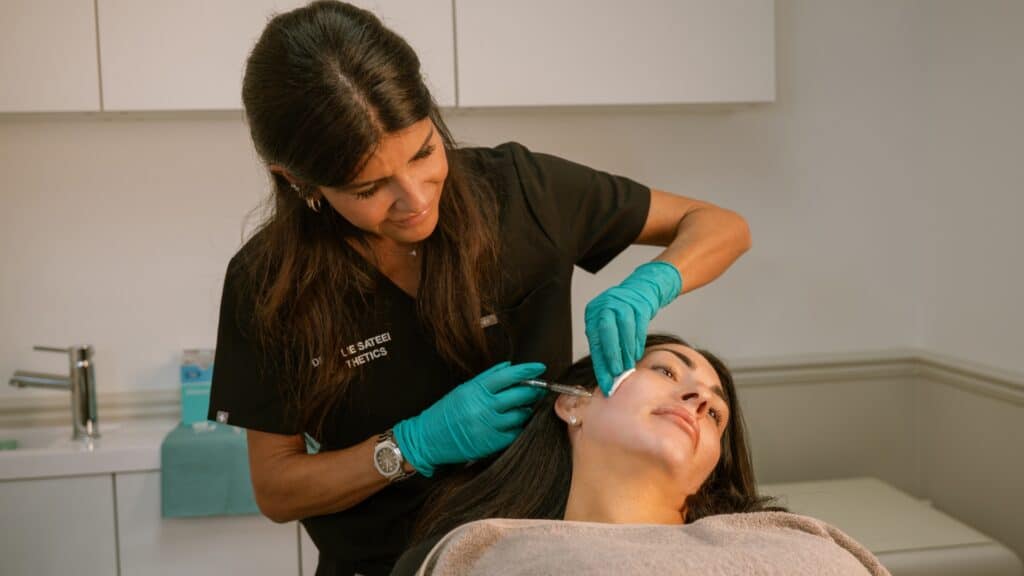
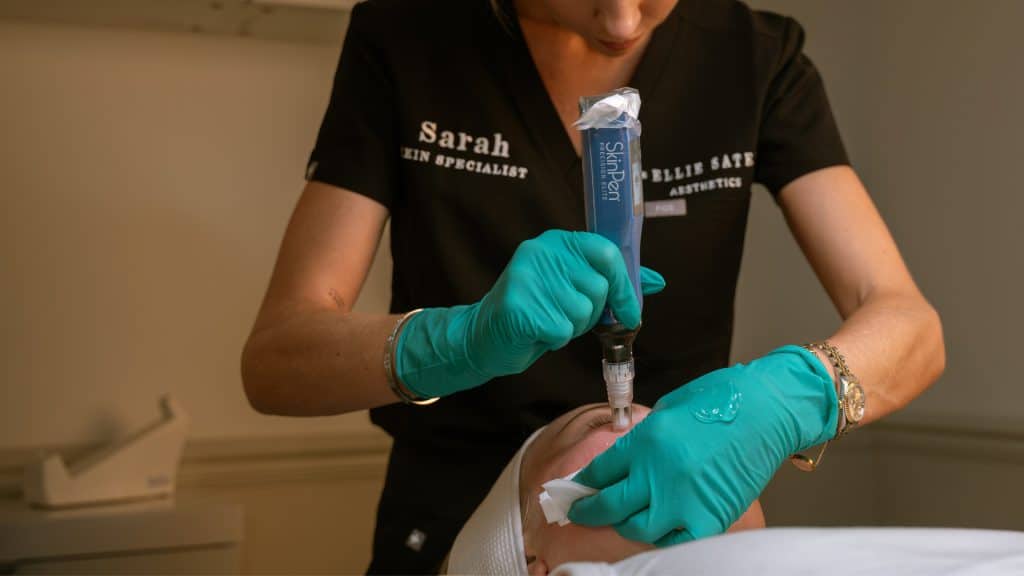
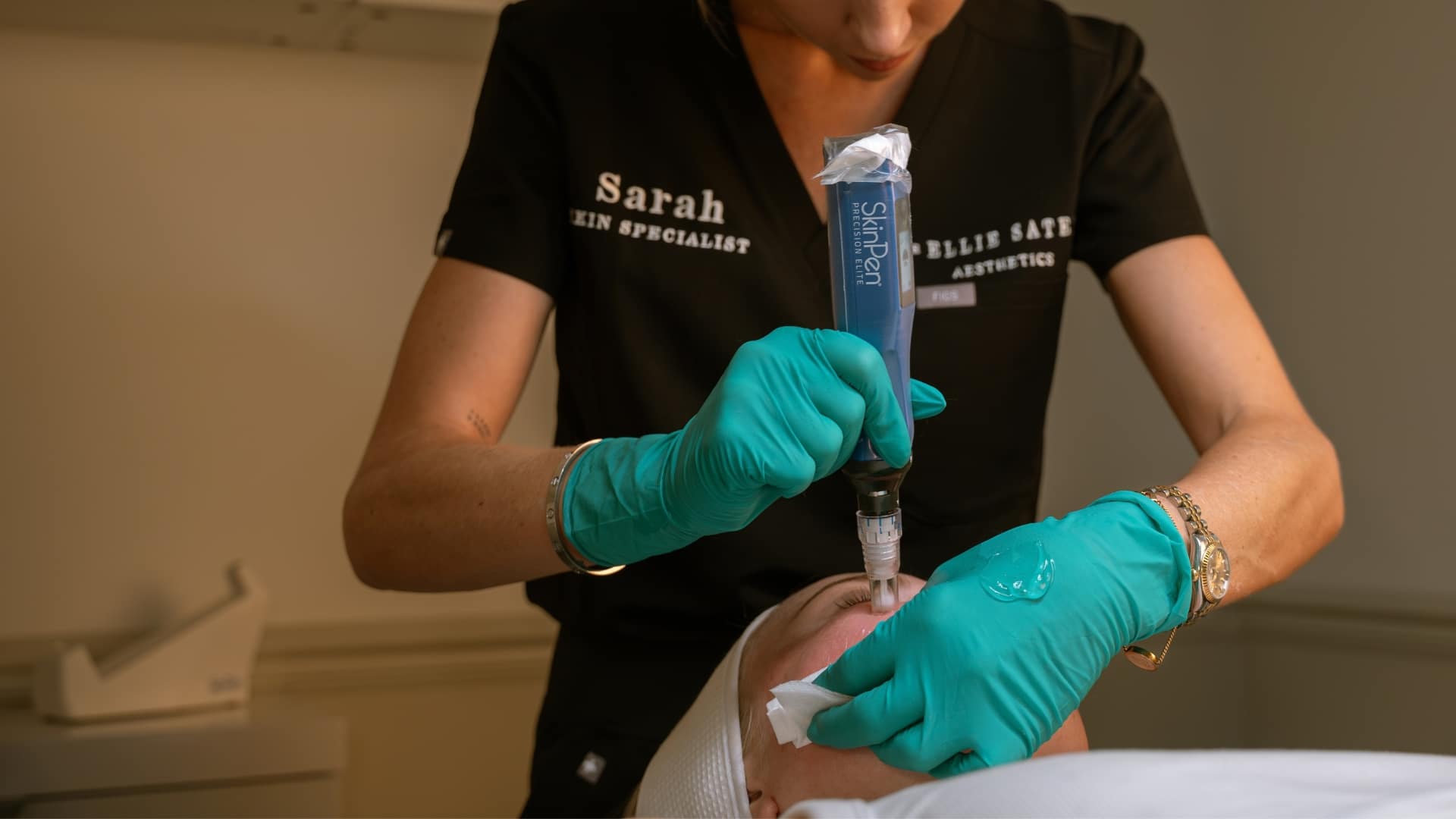
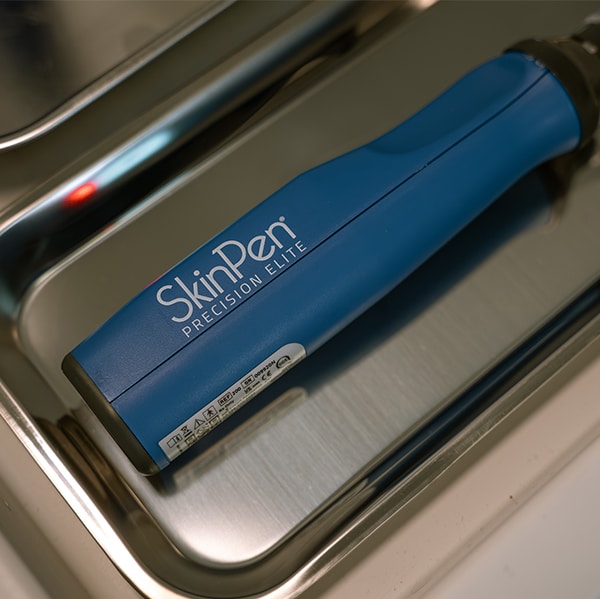
At Dr Ellie Sateei’s clinic, microneedling is performed with SkinPen, a medical-grade device by our skin specialists, and is planned as a considered course rather than a single appointment. It rewards patience. Results build over months rather than appearing after one session, and results vary between individuals.
Microneedling Aftercare and Recovery
Skin may feel warm and appear red after microneedling, similar to mild sunburn. This usually settles over the following days. Follow your practitioner’s aftercare instructions while your skin recovers.
Microneedling creates controlled micro-channels in the skin using a medical-grade device, prompting the skin’s own collagen and repair processes. Results build progressively over the following months as the skin remodels. Aftercare is barrier-first, with a regenerative serum morning and evening to support the repair response while absorption remains elevated. No acids, no retinoids, and rigorous sun protection.
Pre-treatment guidance
To prepare for your appointment:
- Stop retinoids, exfoliating acids and any other active skincare five to seven days before treatment
- Avoid sun exposure and do not use sunbeds in the two weeks beforehand
- Arrive with clean skin, free from make-up
- Tell our skin specialists about any history of cold sores, as antiviral medication may be recommended in advance
- Avoid alcohol for 24 hours beforehand
- Avoid waxing, threading or hair removal in the treatment area for a week beforehand.
On the day, clinical photographs and consent are completed if not already done, and the skin is cleansed and prepared. Topical anaesthetic is applied and left for approximately 20 to 30 minutes. Treatment takes approximately 30 minutes following preparation.
What to expect immediately after
Temporary redness, warmth and mild sensitivity can occur after treatment. You may notice:
- Redness and warmth, comparable to mild sunburn, usually settling within 24 to 48 hours
- Skin type and the depth used both affect how pronounced this is. Our skin specialists will tell you at your appointment what to expect in your case.
Your product protocol
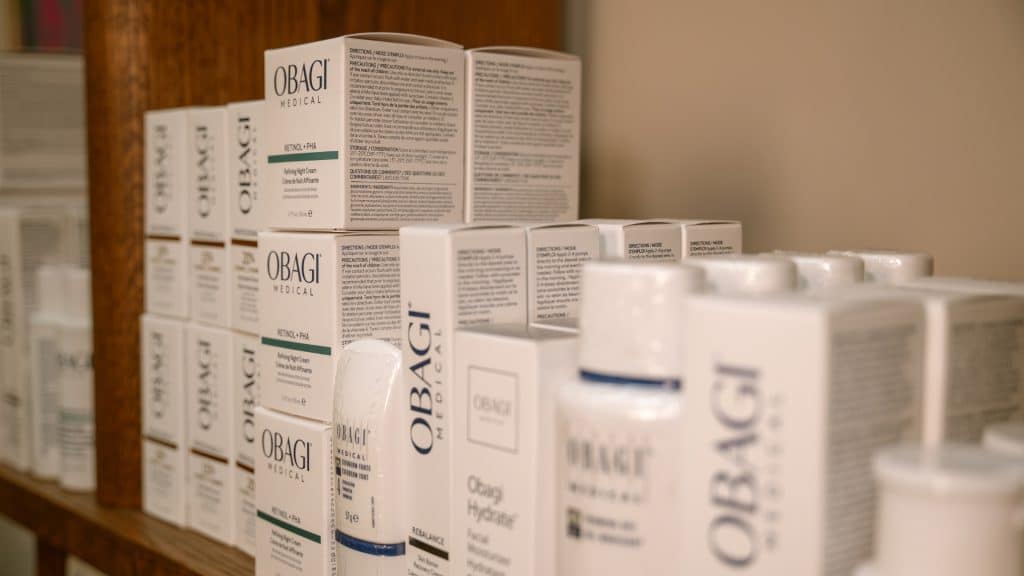
Two things are happening at once here, and the protocol answers both. A regenerative serum supports the repair response the needling has provoked, and a barrier repair balm protects the skin surface while the micro-channels close.
| Step | Morning | Evening |
|---|---|---|
| 1 | Calecim Professional Serum | Calecim Professional Serum |
| 2 | iS Clinical Sheald Recovery Balm | iS Clinical Sheald Recovery Balm |
| 3 | Dermaceutic K Ceutic Post Treatment Cream SPF 50 | — |
Day of and day after treatment only: Revision Hydrating Biocellulose Mask, a single mask.
Post treatment care
After treatment:
- Do not rub the treated area, and do not touch it with unwashed hands
- Avoid make-up for 24 hours, and use clean brushes when you resume
- Avoid heat and exercise for 24 hours, and avoid saunas, steam rooms and swimming pools for 48 hours, as sweat and chlorine both irritate skin in this state
- Avoid direct sun exposure after treatment. Begin broad-spectrum SPF 50 after 24 hours and continue daily, keeping sun exposure to a minimum for at least 72 hours.
- Do not pick or pull at any flaking skin, which will resolve on its own
- Keep retinoids and exfoliating acids aside for at least a week, and return to them only once the skin has fully settled
Sun protection carries the most weight here. Skin in the weeks after microneedling is more vulnerable to pigmentary change, and the treatment is frequently chosen by patients for whom uneven pigment is already a concern.
When will I see results
- The skin often looks brighter and feels smoother within the first week, once redness and flaking have settled
- Improvement in texture and scarring develops over the following weeks and months as new collagen forms
- A course of sessions spaced several weeks apart is usually recommended, with the number confirmed at consultation
- Results continue to build after the final session in a course
Some patients maintain their improvement with occasional sessions afterwards. Our skin specialists will discuss whether that is appropriate for you rather than committing you to a schedule in advance.
Who is this treatment not suitable for
Tell your practitioner if any of the following apply to you:
- An active skin infection, cold sore, or active inflammatory acne in the treatment area
- Taken oral isotretinoin recently, as a period off treatment is usually required first
- A history of keloid or hypertrophic scarring
- An open wound, eczema or psoriasis affecting the treatment area
- Certain autoimmune conditions or a bleeding disorder
- Are pregnant or breastfeeding
Most skin types and tones are suitable, confirmed following a skin assessment.
When to contact us
Please contact the clinic if you experience:
- Redness or swelling that worsens rather than settles after 48 hours
- Signs of infection, including increasing redness, heat, discharge or crusting
- A cold sore developing in the treated area
- Pain that is severe or out of proportion to the treatment
- Any new pigmentation in the treated area in the weeks following
How Microneedling Works
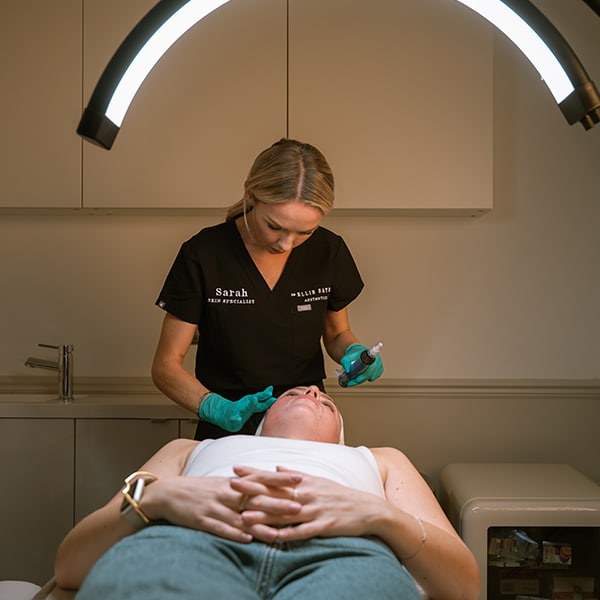
SkinPen passes over the skin creating very fine micro-channels at a precisely controlled depth. Your skin registers these as small injuries to repair, and that repair response prompts fibroblasts to produce fresh collagen and elastin, the proteins that keep skin firm and smooth.
Your practitioner selects the treatment depth according to your skin, the area being treated and your concerns.
Because the mechanism is your own collagen response, the improvement is gradual and cumulative. This is also why microneedling combines so effectively with regenerative products. The channels created during treatment allow exosomes or polynucleotides to be delivered into skin that is already primed to repair, and our skin specialists will discuss whether adding one is worthwhile for your skin.
Who Microneedling Is For
Microneedling may suit you if you are looking to:
- Improve overall skin texture, tone and smoothness
- Soften the appearance of shallow acne scarring and enlarged-looking pores
- Support firmer, more resilient skin as part of a longer-term plan
- Improve skin quality on the neck, décolletage or elsewhere beyond the face
- Choose a treatment with minimal downtime that fits around daily life
It is usually not the right first step if you have an active skin infection, an ongoing inflammatory flare in the area, or active moderate to severe acne, where the acne itself needs managing first. It is not recommended during pregnancy. If you have a history of keloid scarring, are taking oral retinoids, or have certain autoimmune or clotting conditions, our skin specialists will discuss this at consultation and may recommend an alternative.
What to Expect, and When You Will See Results
Numbing cream is applied first, so treatment is comfortable for most people, usually felt as a light prickling or vibration. A session takes around 45 minutes to an hour including preparation, depending on the area being treated.
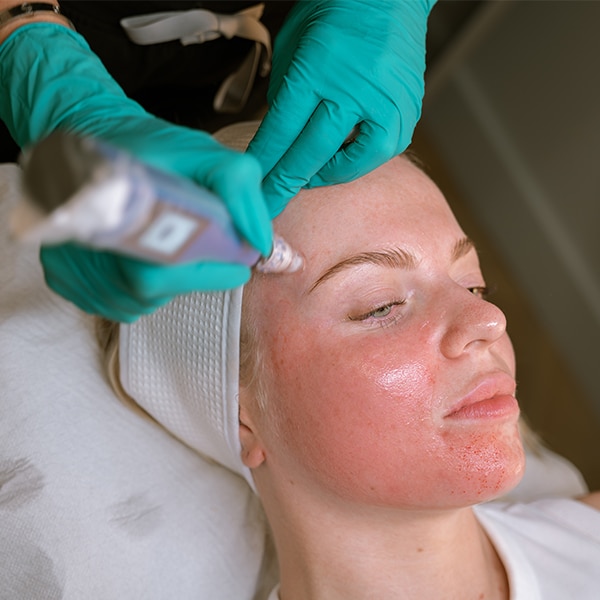
Afterwards you can expect redness and a warm, tight feeling for a day or two, much like mild sunburn. For some people the colour takes three to four days to settle fully. Most patients return to normal activities the next day and can wear mineral makeup after around 24 hours.
Sun protection afterwards is essential rather than optional.
Results are progressive. You may notice a fresher look within the first couple of weeks, but the meaningful improvement in texture and firmness develops as new collagen forms over roughly one to three months. Because of this, microneedling is planned as a short course spaced a few weeks apart, typically three to six sessions depending on the concern, with occasional maintenance afterwards. Acne scarring generally needs more sessions than textural improvement, and results vary between individuals.
Benefits of Microneedling
- Your own collagen: stimulates the skin to rebuild rather than adding a product
- Suitable for a range of skin tones, following an individual skin assessment.
- Minimal downtime: redness for a day or two, with most people back to routine the next day
Microneedling pricing
| Treatment | Price |
|---|---|
| SkinPen Microneedling | £350 |
Spread the cost of your skin treatment with our new Microneedling Membership
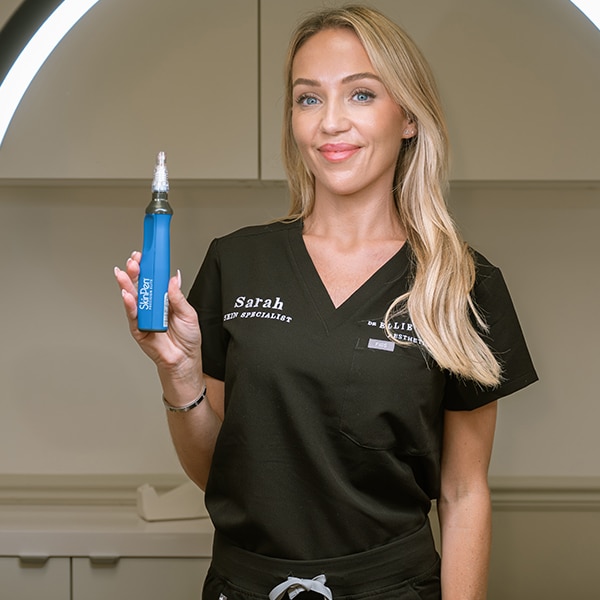
Introducing Dr Ellie’s 12-Month Microneedling Membership, available at our London clinic.
A personalised programme of six microneedling treatments across the year, designed around your skin, with the convenience of spreading the cost.
Your membership includes
01
Six microneedling treatments
02
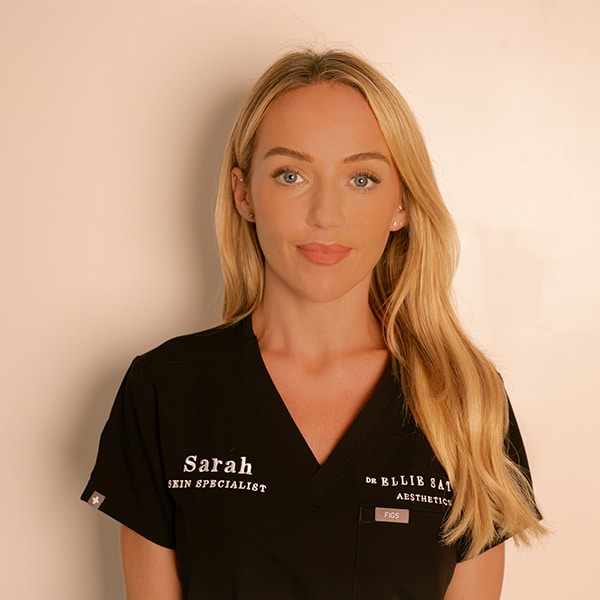
A complimentary birthday Signature Skin Renewal Facial with Sarah, worth £250, combining targeted skincare and LED therapy for hydration and radiance.
03
A complimentary ZO Skin Health 4-Step Skincare Programme to support your skin between treatments.
04
10% off one order from The Edit, up to a £50 saving
£350
initial payment
£175
monthly for 10 months
£2,100
total over the 12-month membership
Microneedling Aftercare
Aftercare summary
Microneedling creates controlled micro-channels in the skin using a medical-grade device, prompting the skin’s own collagen and repair processes. Results build progressively over the following months as the skin remodels. Aftercare is barrier-first, with a regenerative serum morning and evening to support the repair response while absorption remains elevated. No acids, no retinoids, and rigorous sun protection.
Pre-treatment guidance
To prepare for your appointment:
- Stop retinoids, exfoliating acids and any other active skincare five to seven days before treatment
- Avoid sun exposure and do not use sunbeds in the two weeks beforehand
- Arrive with clean skin, free from make-up
- Tell our skin specialists about any history of cold sores, as antiviral medication may be recommended in advance
- Avoid alcohol for 24 hours beforehand
- Avoid waxing, threading or hair removal in the treatment area for a week beforehand.
On the day, clinical photographs and consent are completed if not already done, and the skin is cleansed and prepared. Topical anaesthetic is applied and left for approximately 20 to 30 minutes. Treatment takes approximately 30 minutes following preparation.
What to expect immediately after
Temporary redness, warmth and mild sensitivity can occur after treatment. You may notice:
- Redness and warmth, comparable to mild sunburn, usually settling within 24 to 48 hours
- Skin type and the depth used both affect how pronounced this is. Our skin specialists will tell you at your appointment what to expect in your case.
Post treatment care
After treatment:
- Do not rub the treated area, and do not touch it with unwashed hands
- Avoid make-up for 24 hours, and use clean brushes when you resume
- Avoid heat and exercise for 24 hours, and avoid saunas, steam rooms and swimming pools for 48 hours, as sweat and chlorine both irritate skin in this state
- Avoid direct sun exposure after treatment. Begin broad-spectrum SPF 50 after 24 hours and continue daily, keeping sun exposure to a minimum for at least 72 hours.
- Do not pick or pull at any flaking skin, which will resolve on its own
- Keep retinoids and exfoliating acids aside for at least a week, and return to them only once the skin has fully settled
Sun protection carries the most weight here. Skin in the weeks after microneedling is more vulnerable to pigmentary change, and the treatment is frequently chosen by patients for whom uneven pigment is already a concern.
When will I see results
- The skin often looks brighter and feels smoother within the first week, once redness and flaking have settled
- Improvement in texture and scarring develops over the following weeks and months as new collagen forms
- A course of sessions spaced several weeks apart is usually recommended, with the number confirmed at consultation
- Results continue to build after the final session in a course
Some patients maintain their improvement with occasional sessions afterwards. Our skin specialists will discuss whether that is appropriate for you rather than committing you to a schedule in advance.
Who is this treatment not suitable for
Tell your practitioner if any of the following apply to you:
- An active skin infection, cold sore, or active inflammatory acne in the treatment area
- Taken oral isotretinoin recently, as a period off treatment is usually required first
- A history of keloid or hypertrophic scarring
- An open wound, eczema or psoriasis affecting the treatment area
- Certain autoimmune conditions or a bleeding disorder
- Are pregnant or breastfeeding
Most skin types and tones are suitable, confirmed following a skin assessment.
When to contact us
Please contact the clinic if you experience:
- Redness or swelling that worsens rather than settles after 48 hours
- Signs of infection, including increasing redness, heat, discharge or crusting
- A cold sore developing in the treated area
- Pain that is severe or out of proportion to the treatment
- Any new pigmentation in the treated area in the weeks following
Microneedling FAQs
Most patients describe it as tolerable rather than painful. Numbing cream is applied beforehand, so the sensation is usually a light prickling or vibration. Any tenderness afterwards is mild and settles within a day or two.
Typically three to six, spaced a few weeks apart, from £350 per session. Acne scarring generally needs more than textural improvement. Dr Sateei confirms the number at consultation.
Minimal. Expect redness and a warm, tight feeling for a day or two, similar to mild sunburn, occasionally taking three to four days to settle. Most people return to normal activities the next day and can wear mineral makeup after 24 hours.
Yes, for textural scarring. Prompting new collagen may help soften indentations and refine the skin surface over a course. Deeper or older scarring is assessed individually and expectations set accordingly.
It uses no heat or chemistry, which gives it a lower risk of post-inflammatory pigmentation than heat-based resurfacing. Suitability is confirmed at consultation.
Follow the detailed aftercare guidance below, including advice on sun protection, skincare, makeup and exercise. Your practitioner will explain when to resume your usual routine.
Related Treatments
Other treatments your practitioner may recommend as part of your individual plan.