

Bruxism and Teeth Grinding Treatment in London
A consultation to assess teeth grinding, jaw clenching and associated discomfort, and discuss suitable treatment options.
Bruxism Treatment at a Glance
Bruxism treatment
£750
£195 new patient consultation fee, deducted from treatment on the day.
What Does Bruxism Treatment Actually Do?
Bruxism is clenching or grinding of the teeth, which can happen while awake or asleep. It may cause tooth wear, jaw discomfort and headaches. Assessment considers your symptoms, medical history and dental care. In suitable cases, prescription injections into the masseter muscles may reduce contraction strength and help manage symptoms. Treatment does not replace dental assessment or protection for damaged teeth. Results vary between individuals.
How Bruxism Treatment Works
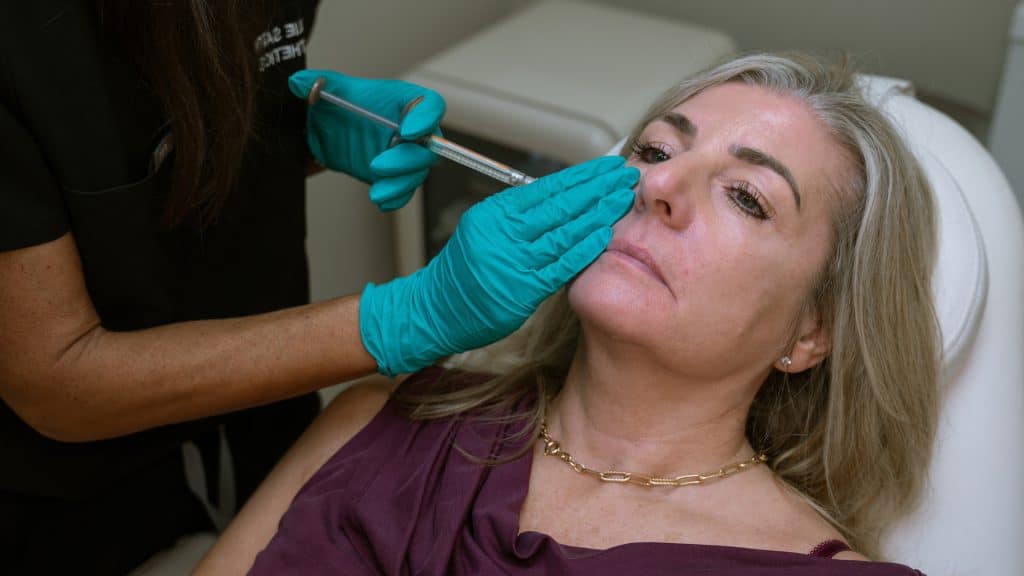
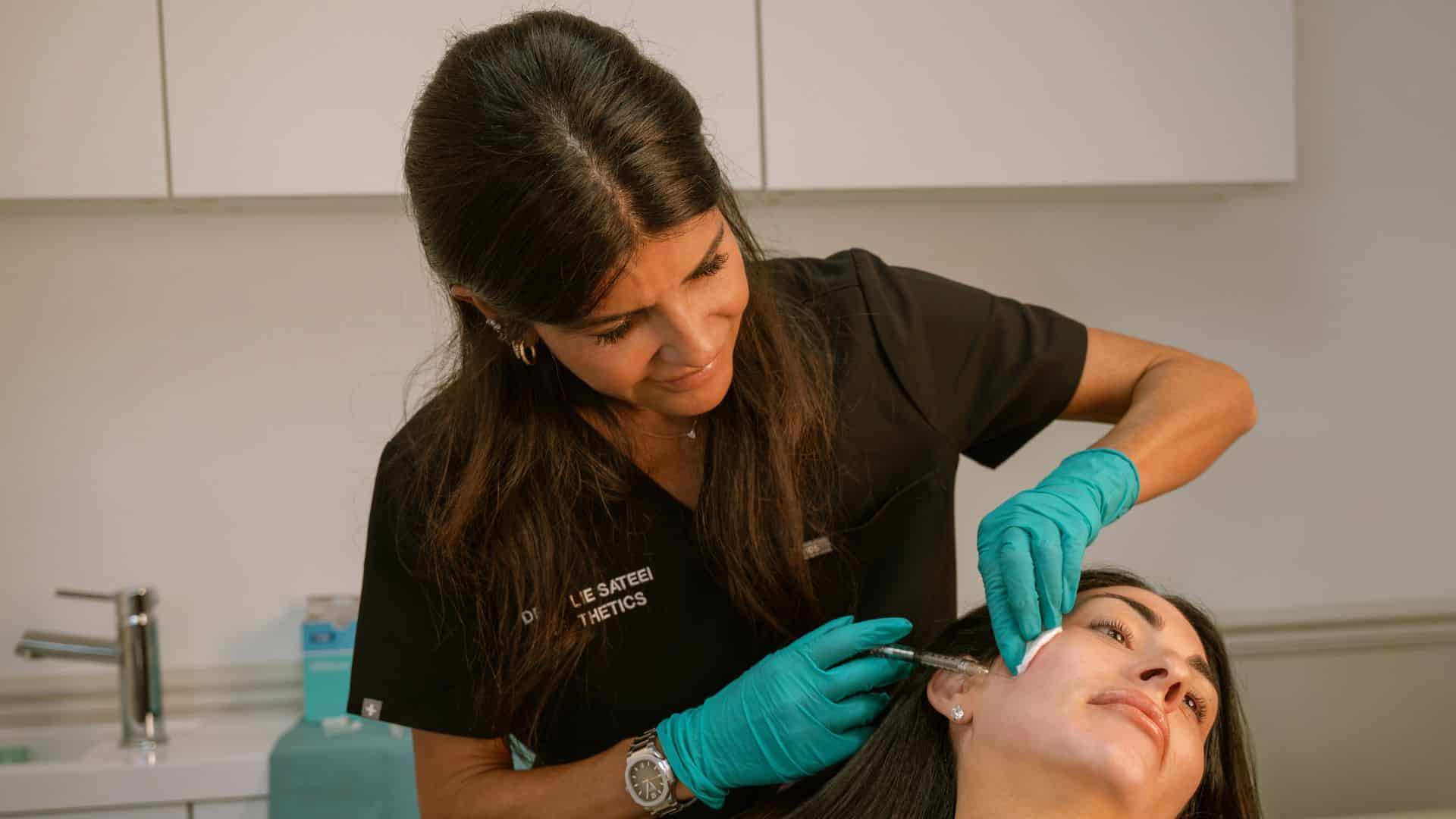
Where appropriate, treatment targets the masseter muscles to reduce the strength of contraction. The aim is to help manage muscle-related symptoms, rather than cure the underlying grinding or clenching.
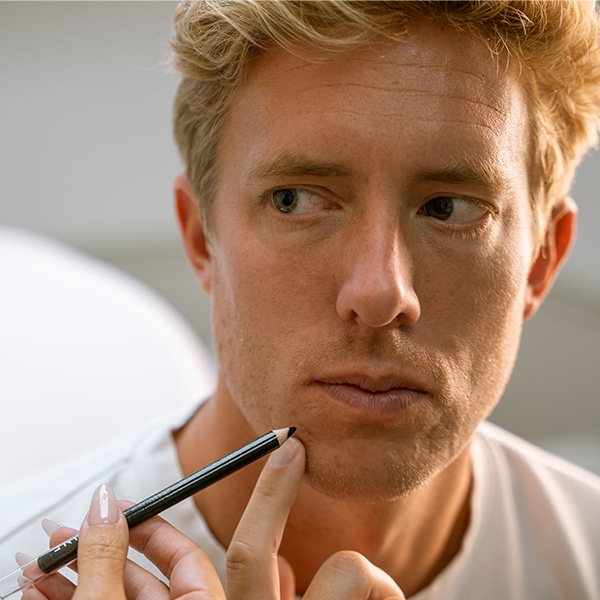
Your assessment includes possible contributing factors, such as stress, sleep and medication. A dental review, mouth guard or further assessment may also be recommended. Treatment can change the contour of the lower face, and this possibility will be discussed before you proceed.
Who Bruxism Treatment Is For
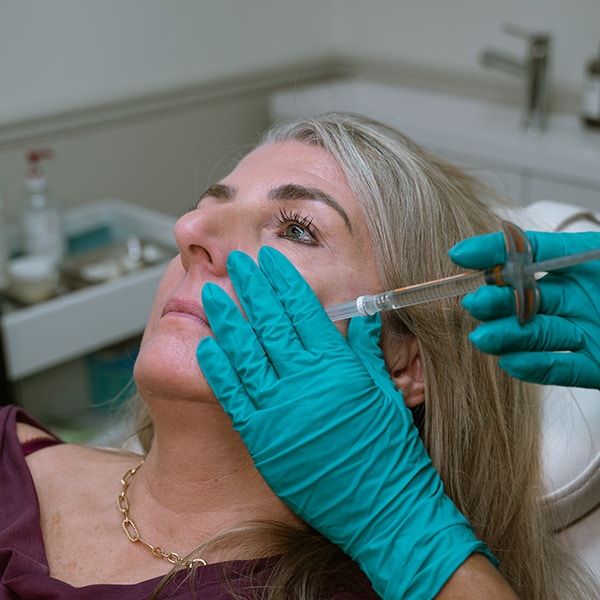
An assessment may be helpful if you experience:
- Jaw ache or stiffness on waking
- Tension headaches across the temples or sides of the head
- Tooth wear, sensitivity or chipping that a dentist has attributed to grinding
- Clenching through the day, particularly under stress
- Discomfort in the jaw joint on chewing or opening wide
It is not suitable during pregnancy or breastfeeding, or with certain neuromuscular conditions. Where jaw joint pain is the dominant symptom, a dental or maxillofacial assessment should come first, as temporomandibular joint problems have causes this treatment does not address.
What to Expect, and When You Will See Results
Treatment takes approximately 10-15 minutes. Temporary tenderness, bruising or chewing weakness can occur. Any improvement develops gradually over the following weeks. Your clinician will explain the expected response, arrange an appropriate review and discuss whether further treatment is needed.
Benefits of Bruxism Treatment
- May reduce the strength of jaw-muscle contraction.
- May help manage muscle-related jaw tension and discomfort.
- Considered alongside appropriate dental care.
Bruxism and Teeth Grinding Prices
| Treatment | Price |
|---|---|
| Bruxism and teeth grinding treatment | £750 |
New patient consultation, £195 at her London clinic. If you go ahead with treatment on the day of your appointment, this fee is deducted from the cost of your treatment.Prices correct as published and subject to change.
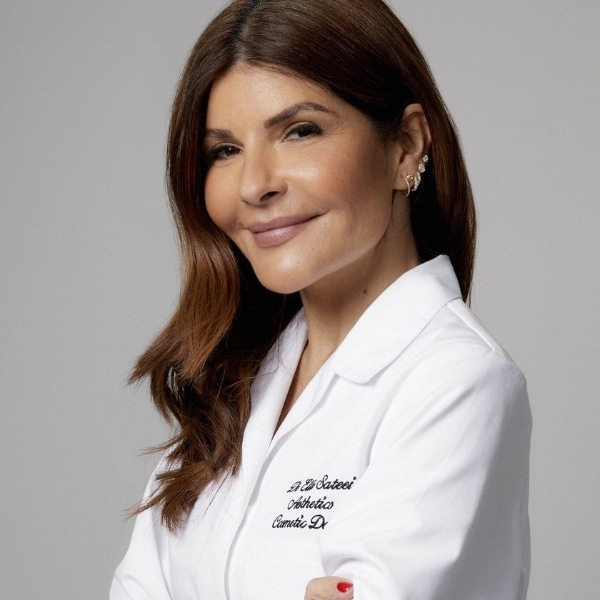
Dr Ellie Sateei on Bruxism and Teeth Grinding Treatment
“My approach starts with understanding your symptoms and assessing the possible contributing factors. Where treatment is appropriate, the aim is to help manage discomfort as part of a plan that includes suitable dental care.”
Dr Ellie Sateei has over two decades of experience in dermatology and aesthetics.
Bruxism Treatment FAQs
Bruxism treatment costs £750. The new patient consultation fee is £195, deducted from the treatment cost if you proceed with treatment that day.
Improvement may develop over the following weeks, but the response varies. Persistent jaw pain should be reviewed, as it can have causes that this treatment does not address.
Treatment may reduce the strength of muscle contraction, but it does not necessarily stop grinding or clenching. Dental assessment and tooth protection remain important.
Your dentist can advise whether a mouth guard is appropriate to protect your teeth. Injections do not replace dental care.
The effect is temporary and varies between individuals. Your clinician will discuss the expected duration and whether further treatment is appropriate.
Reducing masseter activity can change the contour of the lower face. Your clinician will discuss this possibility and other potential effects before treatment.
Bruxism and teeth grinding Aftercare and Recovery
Temporary tenderness, redness or bruising can occur around the injection sites. Some patients experience chewing weakness. You will receive personalised aftercare instructions and advice on when to contact the clinic.
Teeth grinding treatment works by reducing the activity of specific muscles, and for the first few hours the product can migrate if the area is pressed, rubbed or heated. Keep upright, keep your hands off, and skip the gym and the sauna until tomorrow. Beyond that, there is almost nothing to do except wait, because the effect develops over the following two weeks rather than appearing on the day.
Pre-treatment guidance
To prepare for your appointment:
- Arrive with clean skin, free from make-up where possible
- Where possible, and unless prescribed by your doctor, avoid blood-thinning medication such as aspirin or ibuprofen in the days before treatment
- Avoid alcohol for 24 hours beforehand, which reduces the likelihood of bruising
- Tell Dr Sateei about any neuromuscular condition, and about any medication you take, particularly certain antibiotics
- If you have an event coming up, allow at least two weeks between treatment and the date
On the day, clinical photographs and consent are completed if not already done, and the skin is cleansed. Treatment itself takes around 10 to 15 minutes. Numbing cream is not usually needed, as the needles are very fine.
What to expect immediately after
You may notice:
- Small, temporary raised areas at injection sites.
- Temporary redness or tenderness.
- Pinpoint bruising, which is possible and usually small
- Mild chewing fatigue in the first one to two weeks, particularly with tougher foods
The treatment effect develops gradually rather than immediately.
Post-treatment care
For the first four hours
- Do not rub, press or massage the treated area
- Avoid anything that rests or presses on the treated area
For the first 24 hours
- Avoid alcohol
- Avoid heat, including saunas, steam rooms, hot baths and sunbeds
- Avoid facials, facial massage and any treatment involving pressure on the area
- You may use the muscles normally
Beyond 24 hours
- Return to your usual skincare routine
- Use broad-spectrum SPF 30 or above daily
- Use only the products Dr Sateei has recommended
- If chewing feels uncomfortable, choose softer foods and contact the clinic if the difficulty persists or worsens.
When will I see results
Any improvement develops gradually over the following weeks. Changes in lower-face contour may take longer to become apparent. Your clinician will explain when your response should be reviewed and whether further treatment is appropriate. Results and duration vary between individuals.
Who this treatment is not suitable for
Tell your clinician if any of the following apply:
- A neuromuscular condition such as myasthenia gravis, Lambert-Eaton syndrome or motor neurone disease
- An active skin infection or open wound in the area to be treated
- A known allergy to any component of the product
- You are pregnant, breastfeeding or planning pregnancy.
- You take medication, including antibiotics, that may interact with treatment
Suitability is confirmed at a full medical consultation before any treatment is carried out. Where Dr Sateei judges that treatment is not the right approach, she will say so.
When to contact us
Seek emergency medical attention immediately by calling 999 if you develop difficulty breathing, swallowing or speaking after treatment.
Contact the clinic promptly for difficulty chewing, changes to your bite or smile, or increasing redness, heat, swelling or discharge.
New weakness beyond the treated area requires urgent medical assessment.
Related Treatments
Other treatments Dr Sateei may recommend as part of your individual plan.