

Dermalux Tri-Wave MD
Non-invasive LED light therapy using selected wavelengths to support skin quality, manage certain skin concerns and complement recovery after suitable procedures.
About Dermalux LED therapy
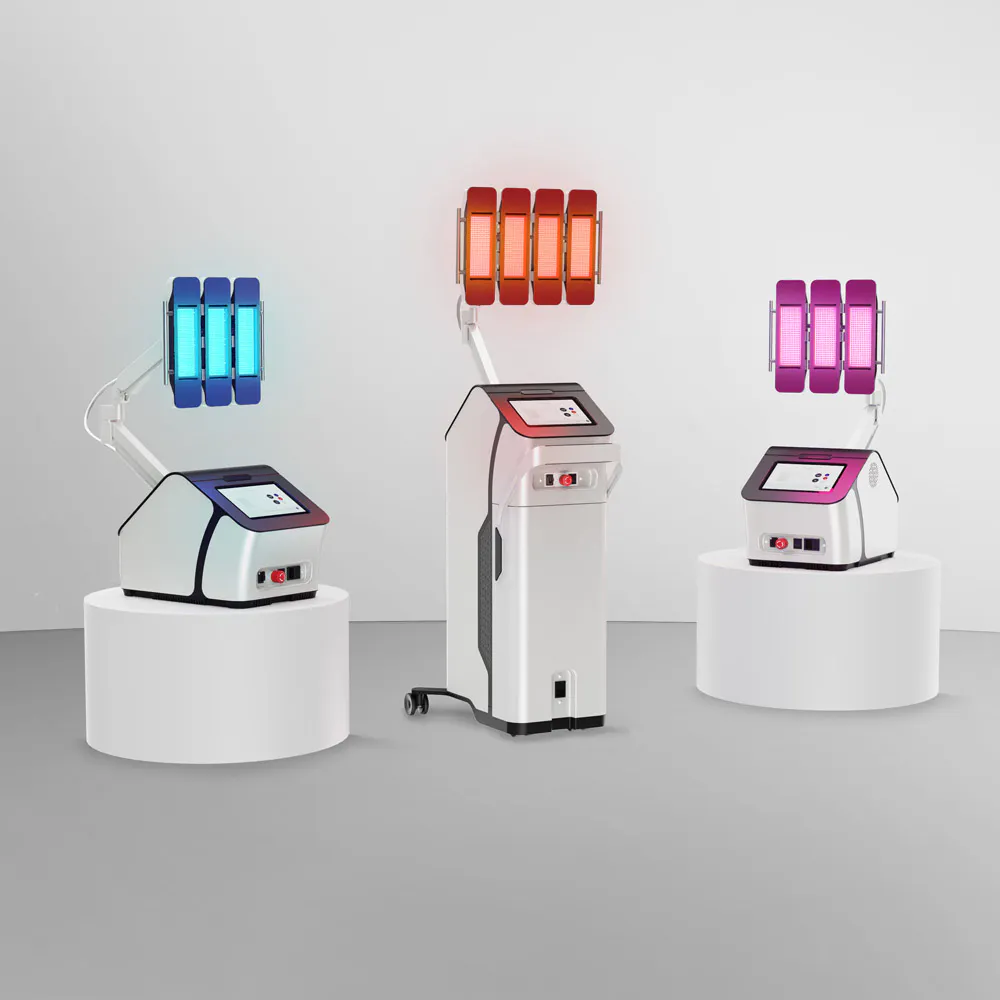
Dermalux Tri-Wave MD is a multi-award-winning LED light therapy device used to support overall skin health, calm inflammation and encourage the skin’s natural repair processes. Dr Ellie Sateei offers Dermalux treatment at her London clinic using both the Tri-Wave MD and Flex MD systems, as a gentle, well-tolerated option suitable for a wide range of skin types and concerns.
The Flex MD system offers the same three-wavelength technology in a more flexible, adjustable panel, allowing treatment to be angled closely to the face, neck or body area being treated. Dermalux can be used as a standalone treatment or within a wider plan. It does not involve needles or skin resurfacing, and no recovery time is usually needed after LED treatment alone.
What is Dermalux Tri-Wave MD?
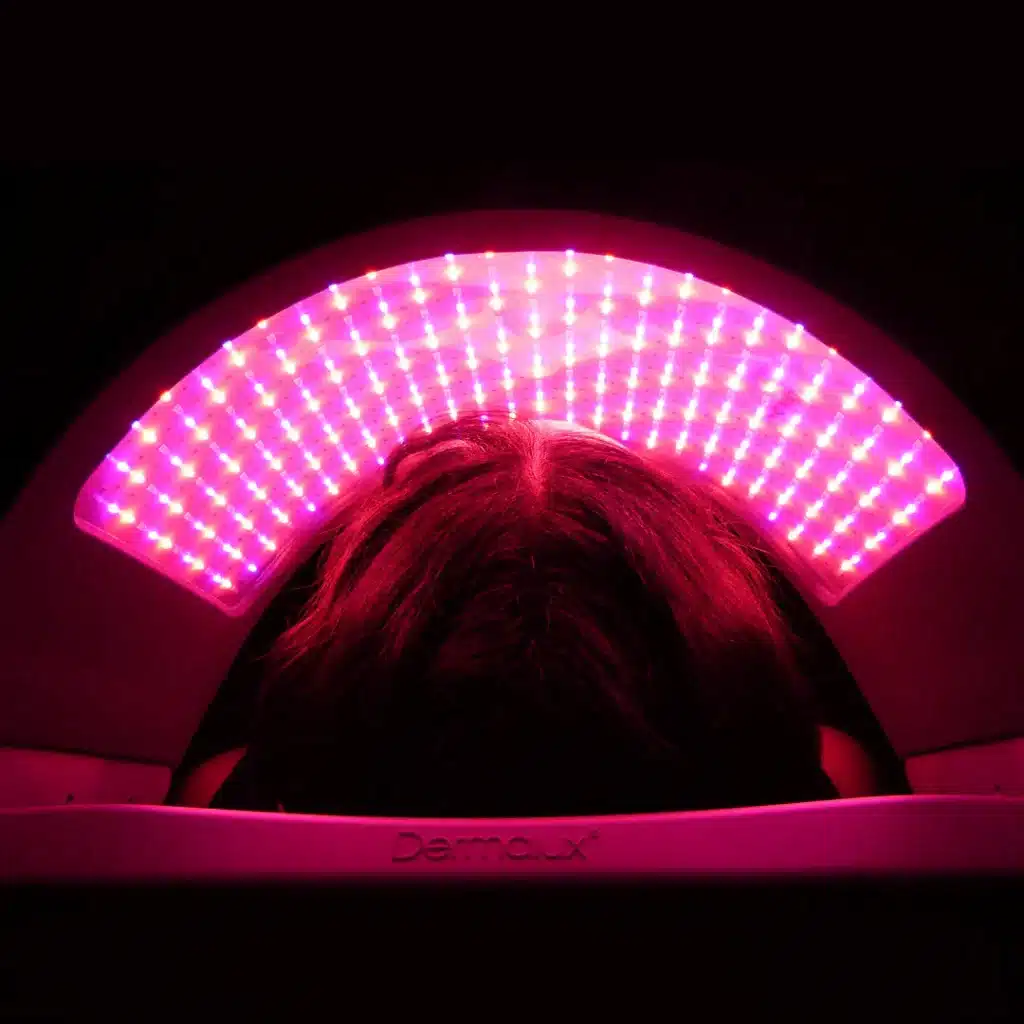
Dermalux Tri-Wave MD uses blue 415 nm, red 633 nm and near-infrared 830 nm light. Blue light is used in acne treatment, red light supports skin-quality improvement, and near-infrared light is used to support tissue repair and reduce visible redness. The wavelengths, dose and treatment time are selected according to the concern and the device protocol. These settings matter alongside the colour of the light.
The technology is non-invasive and has been researched extensively in both medical and aesthetic settings for its supportive role in skin health.
What can Dermalux help with?
Dermalux is commonly used to support overall skin radiance, calm inflammation and redness, and aid recovery following other treatments such as microneedling or peels. It is often incorporated into facials to enhance the overall result.
Because it is gentle and non-invasive, Dermalux is suitable for a wide range of skin concerns and types, including sensitive or reactive skin, when used as part of an appropriately tailored plan.
The Treatment Experience
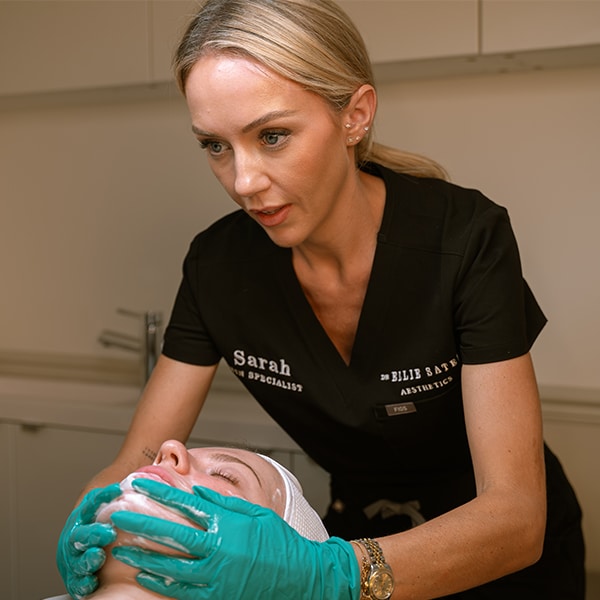
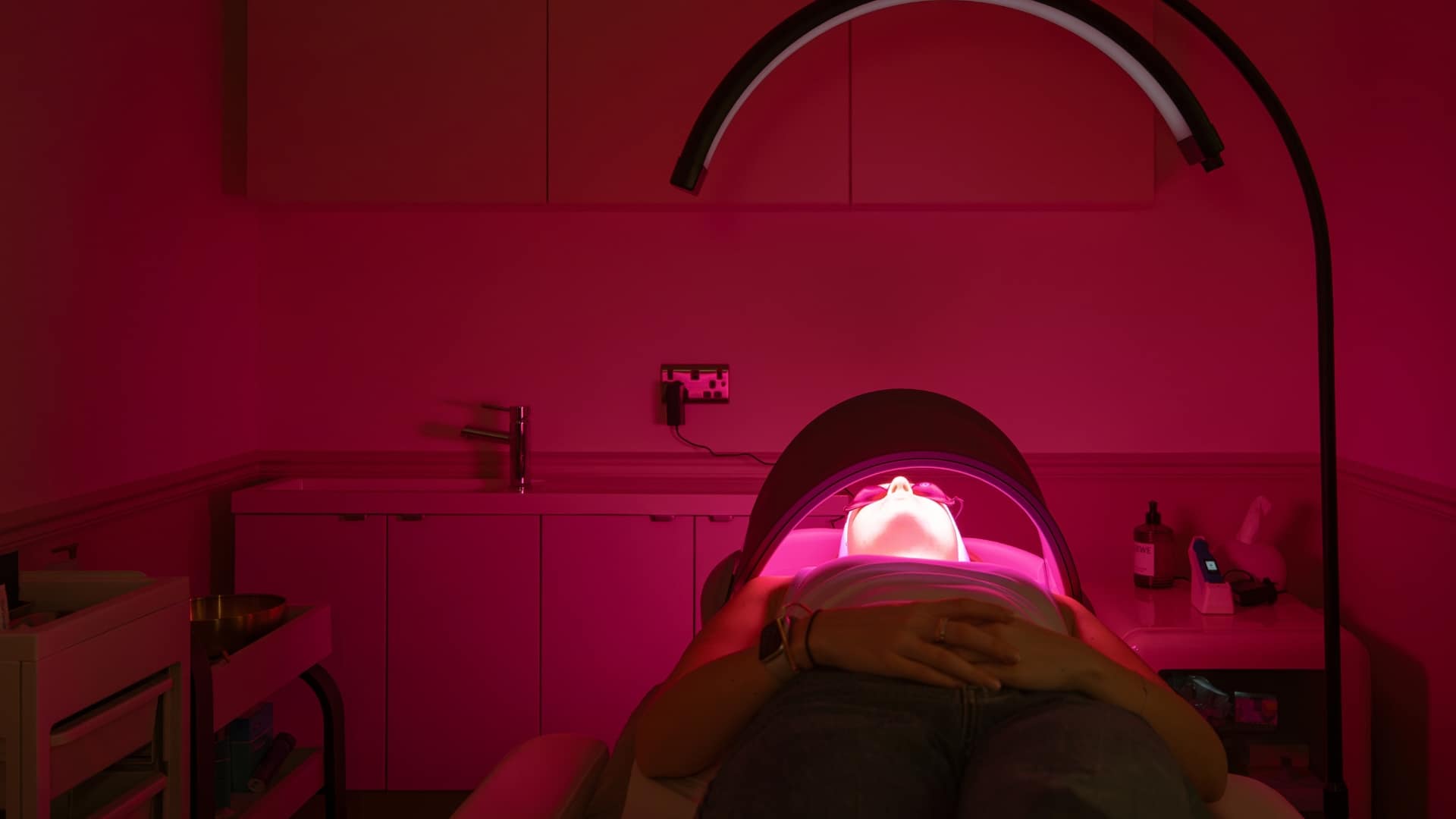
You sit or lie beneath the LED panels, with eye protection used according to the device instructions. Your practitioner selects the treatment programme and explains the session length beforehand. Treatment is usually comfortable, and you may feel gentle warmth. Tell your practitioner if you feel uncomfortable or develop symptoms during treatment. No recovery time is usually needed after LED alone, but any accompanying procedure has its own aftercare. The number and frequency of sessions depend on the concern and your response.”

Why choose Dr Ellie
Our clinical team recommends LED where it has an appropriate role in your skin plan. The device and programme are selected according to your concerns, medical history and any accompanying treatment. Your practitioner explains the expected benefit, treatment schedule and review before you proceed.
Every plan is tailored to your skin type and goals following a proper consultation, at her London clinic at 120 Pall Mall.
Dermalux Tri-Wave MD FAQs
Dermalux Tri-Wave MD is an LED light therapy device that uses red, blue and near-infrared light to support skin health, calm inflammation and aid tissue repair.
Different wavelengths of light interact with the skin in different ways, supporting collagen production, calming and clarifying effects, and deeper tissue repair.
Both use blue, red and near-infrared light, but their design, output and treatment protocols differ. The device used for your appointment will be confirmed by the clinic.
It is commonly used for overall skin radiance, calming redness and inflammation, and supporting recovery after other treatments such as microneedling or peels.
Treatment is usually comfortable, with gentle warmth possible. Tell your practitioner if you feel uncomfortable.
No recovery time is usually needed after LED treatment alone. If it accompanies another procedure, follow the aftercare for that procedure.
A course of regular sessions is often recommended to build and maintain results, discussed as part of your personalised plan.
It may be suitable, but sensitivity to skincare is different from sensitivity to light. Your practitioner will check your skin condition, medical history and medication before recommending treatment.
Yes, it is frequently used alongside other procedures, such as microneedling or facials, to support recovery and enhance results.
Improvement typically builds gradually over a course of sessions, rather than after a single treatment.
Suitability and aftercare
Tell your practitioner about medication, light-sensitive conditions, seizures triggered by light, eye conditions, cancer treatment, and pregnancy or breastfeeding before booking. Do not stop prescribed medication to have LED treatment; suitability must be assessed first.
Eye protection is provided in line with the device instructions. After LED alone, continue the skincare advice agreed with your practitioner. If LED accompanies another procedure, follow that procedure’s aftercare.
Contact the clinic if you develop persistent redness, a rash, unusual discomfort or symptoms that concern you. Eye pain or visual changes require prompt medical assessment.
Skin concerns Dermalux may help with
LED may form part of an assessed plan for selected skin concerns or post-procedure recovery. Your practitioner will explain its role and limitations.