



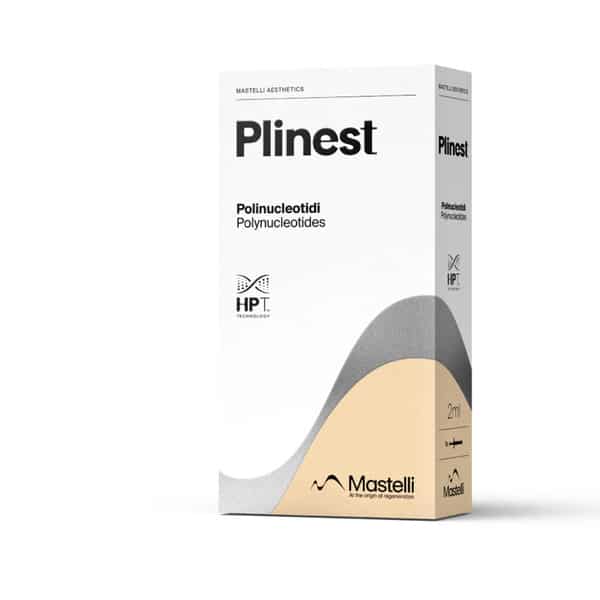
Plinest
A polynucleotide injectable range used to improve hydration, texture and skin elasticity, with a dedicated formulation for the eye area.
About Plinest
Plinest is a range of injectable polynucleotide gels developed by Mastelli. It is used to improve selected aspects of skin quality, with treatment planned according to the formulation, area and individual assessment.
Your clinician discusses the expected course, alternatives and risks before you decide whether to proceed.
What is Plinest?
Plinest contains highly purified polynucleotides in a gel for injection into the skin. Polynucleotides bind water and are used to support improvements in hydration, elasticity and firmness.
The range includes Plinest, Plinest Eye and Plinest Hair. These products have different intended uses and treatment protocols; your clinician will explain the proposed formulation.

What can Plinest help with?
Selected formulations may improve hydration, fine lines, texture and elasticity. Plinest Eye is formulated for the delicate periocular area, where treatment may improve crepey skin. Dark circles require assessment of their cause. Plinest Hair is a separate formulation used as an adjunct for selected hair-thinning concerns. It is not a treatment for every cause of hair loss.
The Treatment Experience
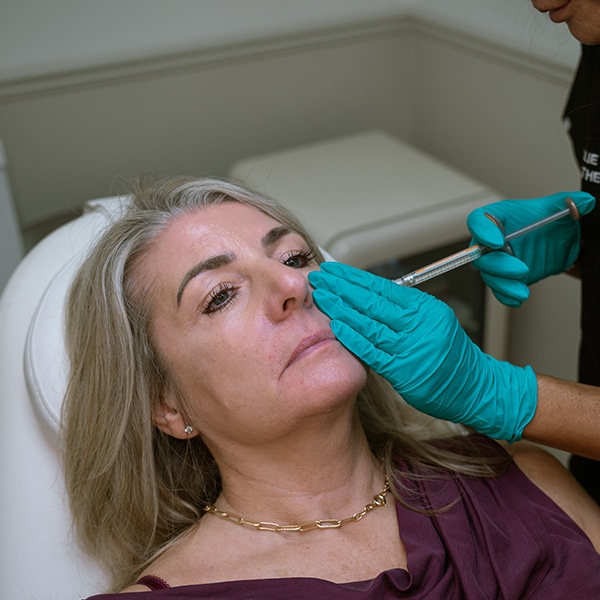
Treatment is delivered through a series of fine injections into the target area, and topical numbing can be used to improve comfort. Most patients describe mild discomfort during the procedure.
Small injection-site bumps, redness, swelling, tenderness and bruising can occur. Recovery varies, particularly around the eyes. A course is usually recommended, with the number and spacing of sessions determined by the formulation, treatment area and response.

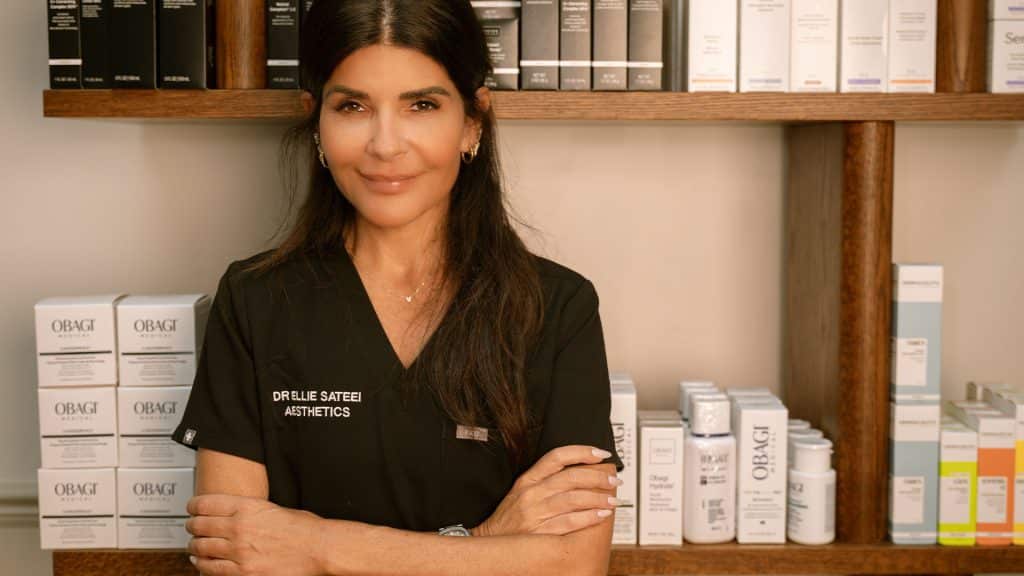
Why choose Dr Ellie Sateei?
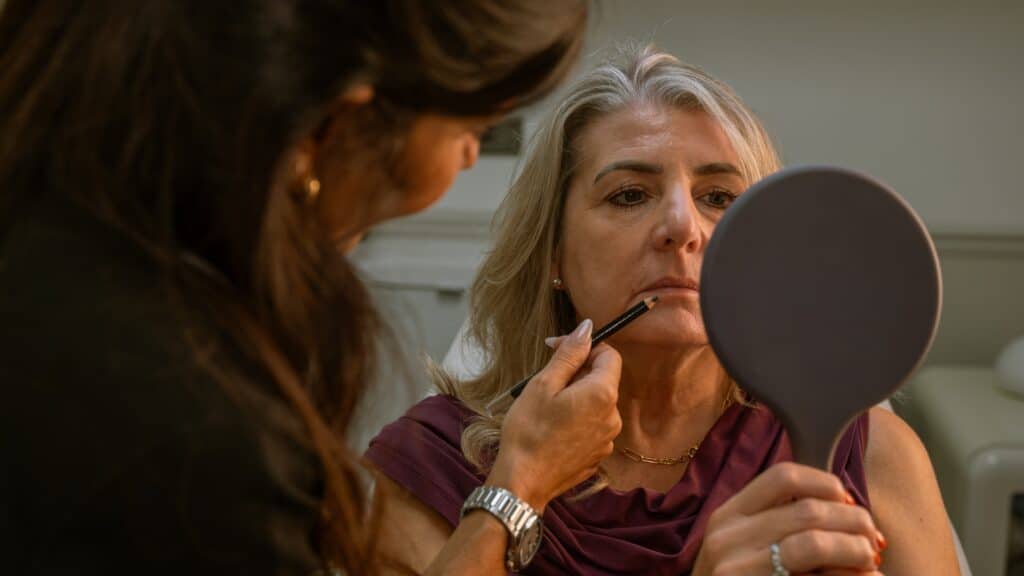
Dr Sateei assesses your concerns, skin condition, medical history and previous treatments before agreeing a personalised plan with you. The proposed treatment, alternatives, realistic outcomes and risks are discussed at consultation.
Consultations are available at 120 Pall Mall in London.
Plinest FAQs
Plinest is an injectable polynucleotide treatment using highly purified DNA fragments to signal and support the skin’s own repair processes.
Polynucleotides bind water and are used to support improvements in skin hydration, elasticity and firmness. Changes develop gradually and vary between individuals.
Common concerns include dullness, dehydration, fine lines, thin or fragile skin, under-eye crepiness and scalp support.
Most patients describe mild discomfort, and topical numbing can be used to improve comfort.
Injection-site bumps, swelling, redness and bruising can occur. Recovery varies. Contact the clinic about persistent, worsening or unexpected changes.
For facial and eye treatment, a course is commonly planned at intervals of around two to three weeks. The number and timing are agreed after assessment. Scalp treatment uses a different protocol.
Improvements in skin quality build progressively across the course and continue afterwards.
Plinest Eye is specifically formulated for the periocular area. Suitability depends on your skin, medical history and the cause of your concerns.
Suitability depends on your medical history, allergies, medication, skin condition and previous treatments. Tell your clinician about any fish allergy, as Mastelli’s polynucleotides are fish-derived.
Some treatments can form part of the same overall plan, with the sequence and intervals determined after assessment. This does not mean they should all be performed in the same appointment.
Skin concerns Plinest may help with
Formulation and treatment area are chosen following assessment of your skin and concerns.
Aftercare and when to contact us
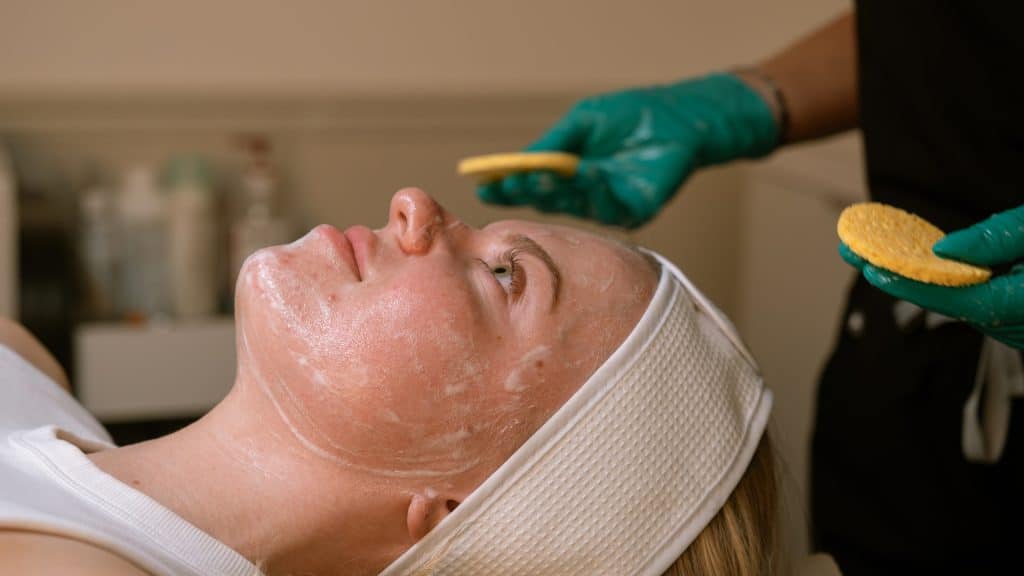
Follow the written aftercare provided for your treatment. Do not massage the area unless your clinician advises you to. Contact the clinic about worsening redness, warmth, swelling, discharge or a new or persistent lump. Severe or unusual pain, skin turning white, grey or blue, or changes in vision require immediate medical attention. Do not wait for an email or WhatsApp reply. Call 999 for sudden visual loss, stroke symptoms, difficulty breathing or swelling of the tongue or throat.