


Pigmentation
Pigmentation covers several patterns of uneven skin tone, from small marks left after a spot to larger, diffuse patches such as melasma.
What is pigmentation?
Pigmentation covers several patterns of uneven skin tone, from small marks left after a spot to larger, diffuse patches such as melasma. Dr Sateei always assesses which type you have before recommending anything.
What causes pigmentation?
Sun exposure stimulates melanin as a protective response. Hormonal changes drive melasma; post-inflammatory hyperpigmentation follows inflammation such as acne; ageing and genetics also influence reactivity.
Signs and Symptoms
Sun-related pigmentation shows as small, well-defined brown spots; melasma appears as larger, symmetrical, softer-edged patches; post-inflammatory marks appear at the exact site of previous irritation and fade over months.
Treatment options
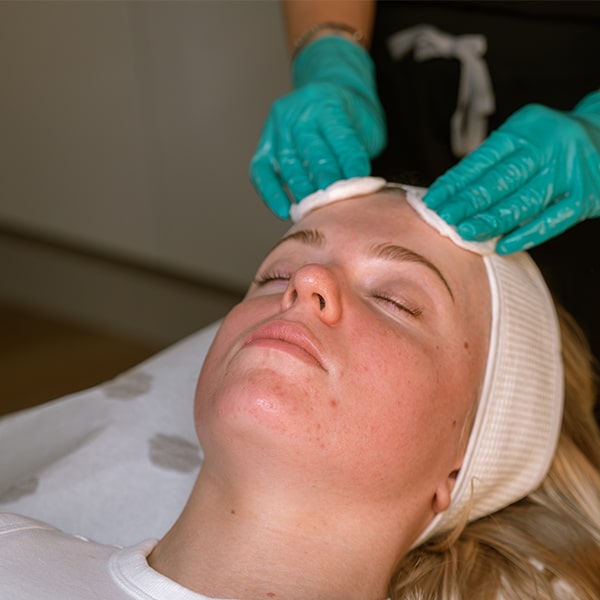
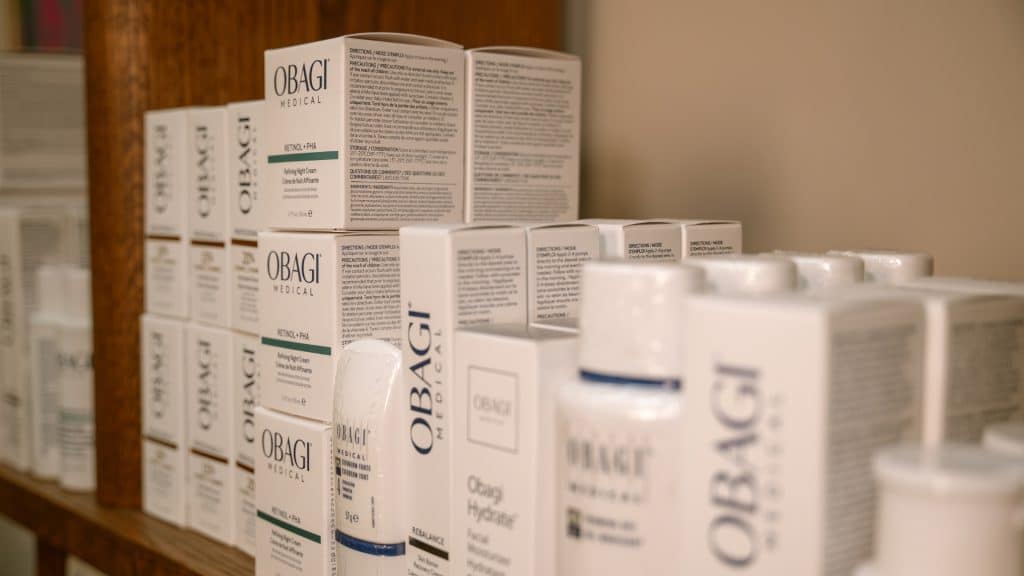
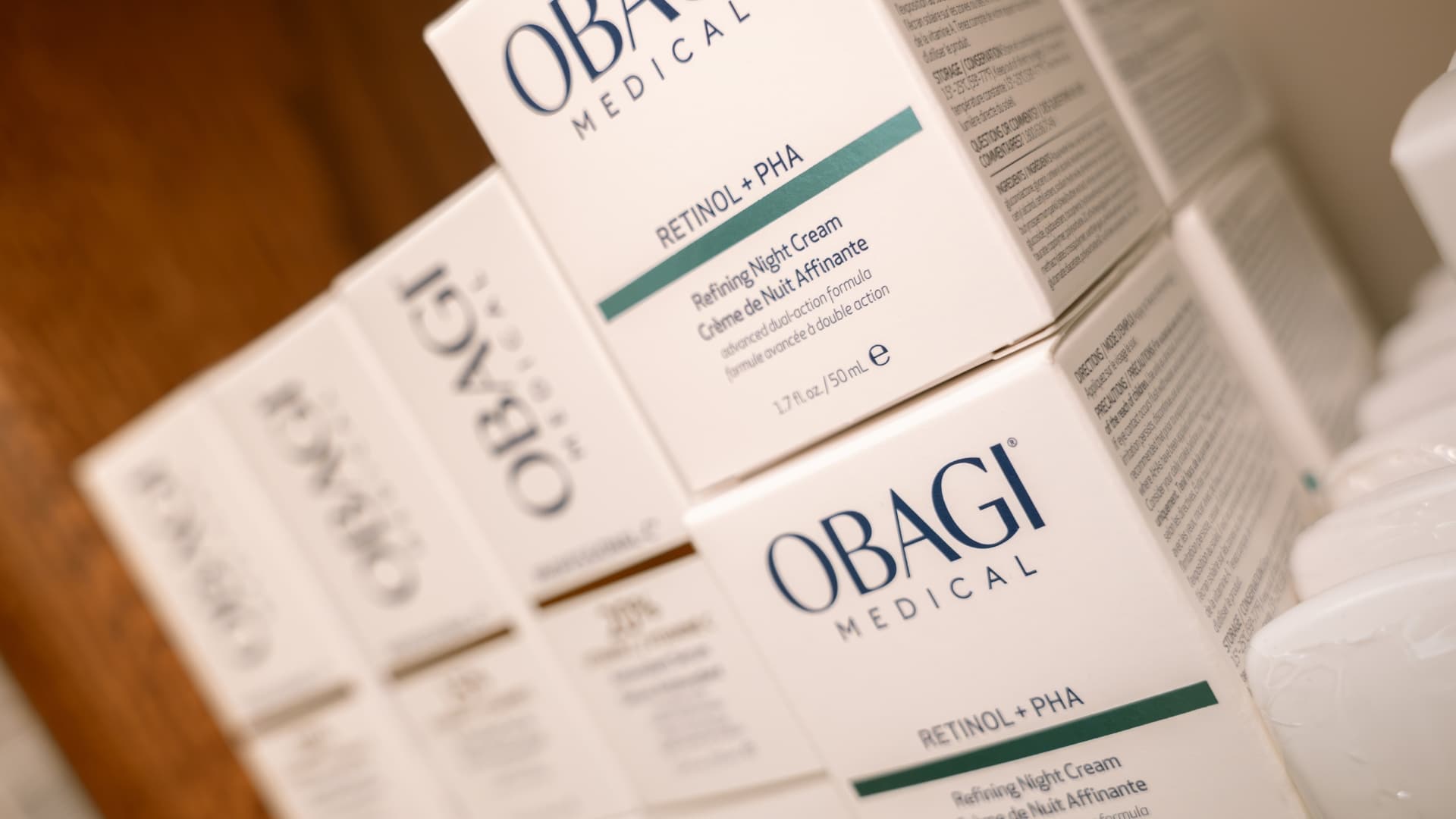
A personalised medical-grade skincare programme using Obagi Medical, alongside daily broad-spectrum SPF. The Signature Skin Renewal Facial supports clarity and radiance; skin boosters and polynucleotides support overall skin health. Melasma in particular can be a persistent condition that benefits from long-term, consistent management rather than a single fix, and flare-ups can recur with sun exposure or hormonal changes even after visible improvement.


Why choose Dr Ellie Sateei?
With over two decades of experience, Dr Sateei understands how different pigmentation types behave and is careful never to promise a quick fix, at her London clinic (near Harley Street).
Pigmentation FAQs
Sun exposure, hormonal changes, inflammation and ageing, with genetics influencing reactivity.
Daily SPF is the most important step, alongside avoiding known triggers.
Depends on the type of pigmentation; medical-grade skincare is usually central, sometimes with the Skin Renewal Facial.
Yes, it’s more persistent and hormonally driven, needing long-term management and strict SPF.
Improvement builds gradually over months.
No, skincare and the facial treatments are non-invasive.
Recovery depends on the treatment selected. Chemical peels may cause redness, dryness and peeling. Your practitioner will explain what to expect before treatment.
Most adults with confirmed pigmentation.
Yes, with sun exposure or hormonal changes therefore maintenance is important.
Yes, any new or changing mark should be checked before cosmetic treatment.
Treatments of interest
Suggested treatments for helping with pigmentation: