

Masseter reduction and jaw slimming London
A consultation to assess whether enlarged masseter muscles contribute to lower-face width and discuss suitable treatment options.
Masseter reduction at a Glance
Masseter reduction
£750
£195 new patient consultation fee, deducted from treatment on the day.
What Does Masseter Reduction Do?
The masseter is one of the main muscles used for chewing. When enlarged, it can contribute to a wider or squarer lower face. In suitable patients, prescription injections can reduce its activity and gradually reduce muscle bulk. Assessment establishes whether the width comes from muscle, bone, fat or a combination, and whether treatment is appropriate. Results vary between individuals.

How Masseter Reduction Works
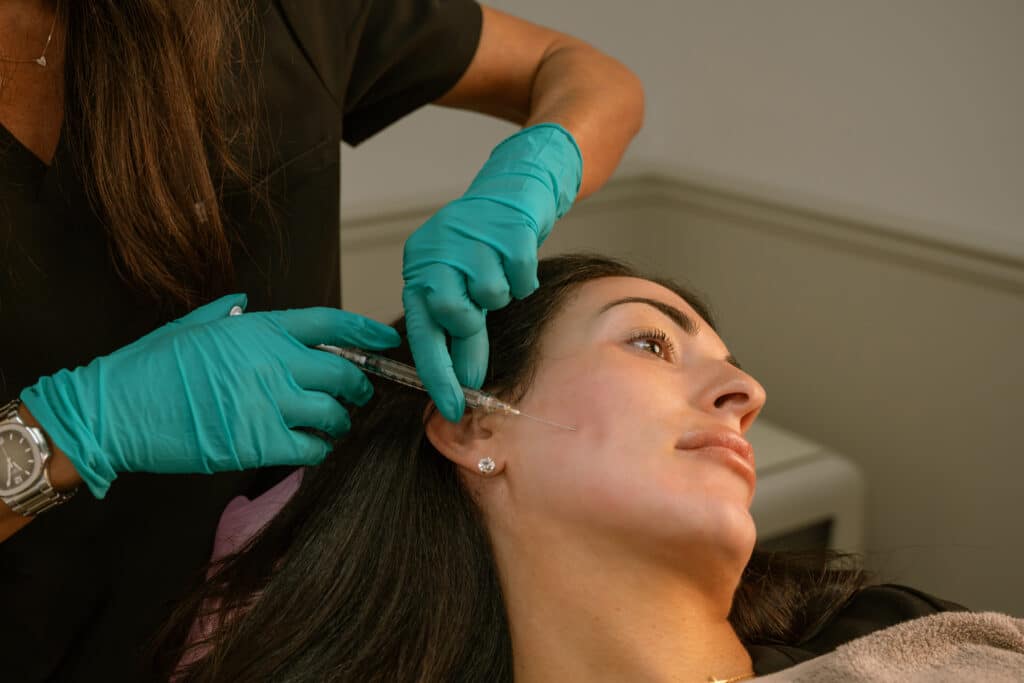
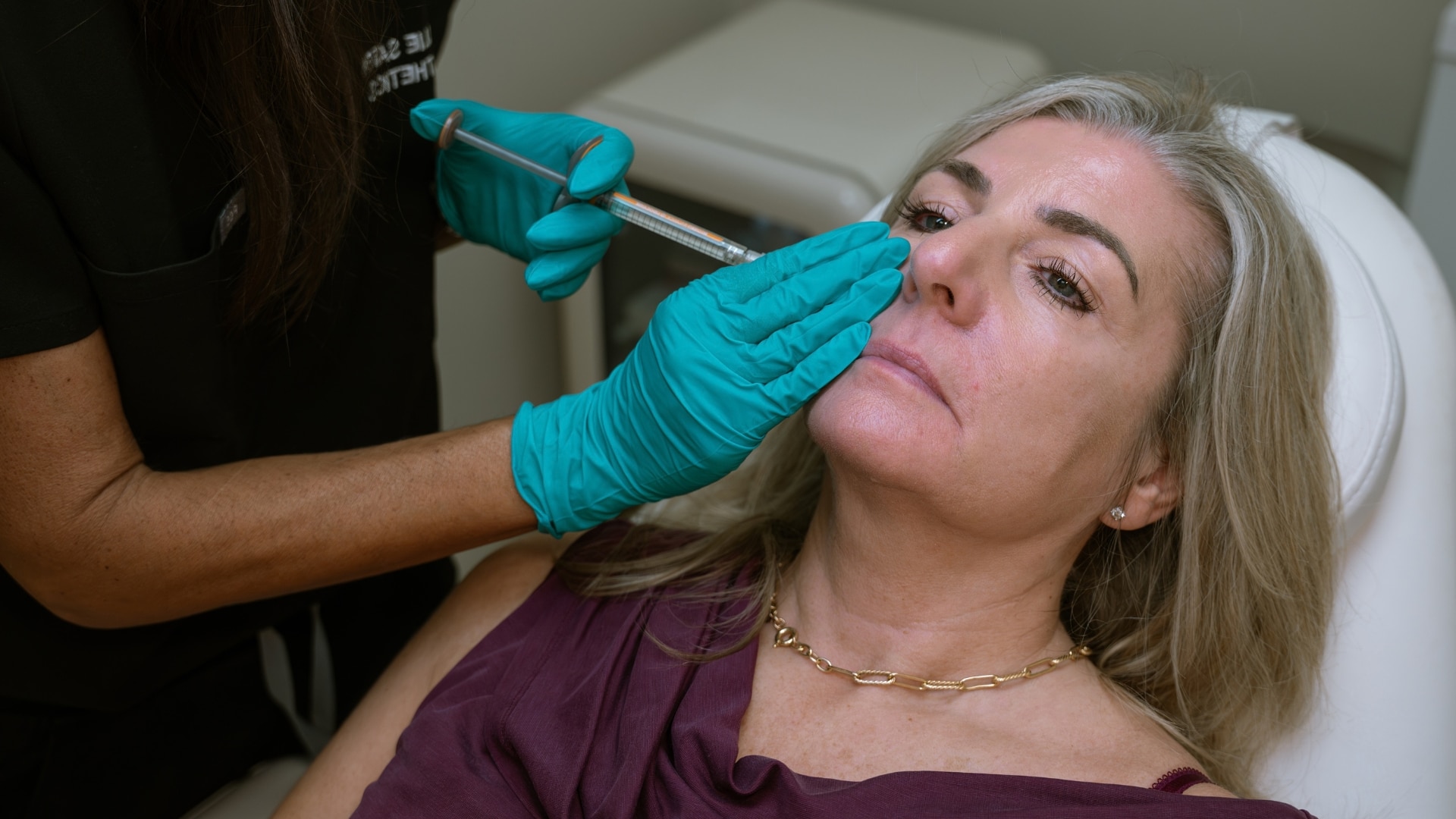
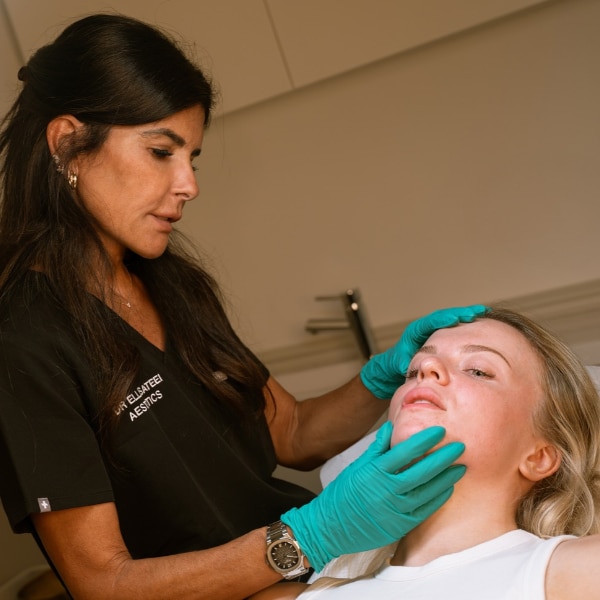
Your clinician assesses the size and activity of the masseter muscles, your facial proportions and your concerns before planning treatment. Where appropriate, injections reduce muscle activity, with changes in contour developing gradually as muscle bulk reduces.
The dose and any further treatment are tailored to your response. Possible effects on chewing, smile symmetry and facial contour will be discussed before treatment.

Who is a masseter reduction suitable for?
An assessment may be helpful if you want to:
- Soften a wide or square lower face where enlarged masseter muscles contribute.
- Understand whether your jaw width is muscular or structural.
- Discuss jaw clenching or tension alongside appropriate dental care.
Masseter reduction does not treat skeletal width, excess fat or skin laxity. Your clinician will assess suitability and discuss alternatives where appropriate. Tell your clinician if you are pregnant, breastfeeding or have a neuromuscular condition.
What to Expect, and When You Will See Results
Treatment takes approximately 10–15 minutes. Temporary tenderness, bruising or chewing weakness can occur. Changes in lower-face contour develop gradually, typically over two to three months. Your response will be reviewed before deciding whether further treatment is appropriate.
Benefits of a masseter reduction
- Can soften lower-face width where enlarged masseter muscles are the cause.
- Treatment is planned around your muscle activity and facial proportions.
- Further treatment is considered following assessment of your response.
Dr Ellie Sateei on masseter reductions
“I assess what is contributing to lower-face width before recommending treatment. Where enlarged masseter muscles are the cause, the aim is a balanced change that suits your face, with careful review before any further treatment.”
Dr Ellie Sateei has over two decades of experience in dermatology and aesthetics.
Masseter reduction FAQs
Masseter reduction costs £750. The new patient consultation fee is £195, deducted from the treatment cost if you proceed with treatment that day.
Changes develop gradually, typically over two to three months. The extent and timing of improvement vary between individuals.
This depends on your muscle size, goals and response to treatment. Your clinician will review the result before recommending any further sessions.
Temporary chewing weakness or fatigue can occur. Your clinician will discuss this before treatment. Contact the clinic if chewing becomes difficult or symptoms persist or worsen.
Not always. Skeletal width, fat and skin laxity all present similarly and none responds to this treatment. Assessment involves feeling the muscle contract while you clench.
Reducing masseter activity may help manage muscle-related clenching or tension, but it does not necessarily stop grinding. A dental assessment remains important.
Masseter Reduction and Jaw Slimming Aftercare and Recovery
Temporary tenderness, redness or bruising can occur around the injection sites. Some patients experience chewing weakness. You will receive personalised aftercare instructions and advice on when to contact the clinic.
Follow the aftercare instructions provided. Contact the clinic if you develop difficulty chewing, changes to your smile or bite, or other concerning symptoms. Changes in lower-face contour develop gradually.
Pre-treatment guidance
To prepare for your appointment:
- Arrive with clean skin, free from make-up where possible
- Tell your clinician about all medicines and supplements you take. Do not stop prescribed medication without advice from your prescriber
- Avoid alcohol for 24 hours beforehand, which reduces the likelihood of bruising
- Tell Dr Sateei about any neuromuscular condition, and about any medication you take, particularly certain antibiotics
- If you have an event coming up, allow at least two weeks between treatment and the date
On the day, clinical photographs and consent are completed if not already done, and the skin is cleansed. Treatment itself takes around 10 to 15 minutes. Numbing cream is not usually needed, as the needles are very fine.
What to expect immediately after
You may notice:
- Small, temporary raised areas at injection sites.
- Temporary redness or tenderness.
- Pinpoint bruising, which is possible and usually small
- Mild chewing fatigue in the first one to two weeks, particularly with tougher foods
Changes in lower-face contour develop gradually rather than immediately.
Post-treatment care
For the first four hours
- Stay upright. Do not lie flat or lean forward for long periods
- Do not rub, press or massage the treated area
- Avoid anything that rests or presses on the treated area
For the first 24 hours
- Avoid alcohol
- Avoid heat, including saunas, steam rooms, hot baths and sunbeds
- Avoid facials, facial massage and any treatment involving pressure on the area
- You may use the muscles normally
Beyond 24 hours
- Return to your usual skincare routine
- Use broad-spectrum SPF 30 or above daily
- Use only the products Dr Sateei has recommended
- Avoid chewing gum and very chewy food for two weeks
When will I see results
Changes in lower-face contour develop gradually, typically over two to three months. An earlier review may assess muscle response, with the contour result reviewed later. The effect commonly lasts around four to six months, although timing and duration vary between individuals. Further treatment is considered following review.
Who this treatment is not suitable for
Tell your clinician if any of the following apply:
- You are pregnant, breastfeeding or planning pregnancy.
- You take medication, including antibiotics, that may interact with treatment.
- A known allergy to any component of the product
- Are pregnant, breastfeeding or trying to conceive
- Are taking certain medications, including some antibiotics, which Dr Sateei will review
Suitability is confirmed at a full medical consultation before any treatment is carried out. When Dr Sateei judges that treatment is not the right approach, she will say so.
When to contact us
Seek emergency medical attention immediately by calling 999 if you develop difficulty breathing, swallowing or speaking after treatment.
Contact the clinic promptly for difficulty chewing, changes to your bite or smile, or increasing redness, heat, swelling or discharge.
New weakness beyond the treated area requires urgent medical assessment.
Related Treatments
Other treatments Dr Sateei may recommend as part of your individual plan.