

Non-Surgical Rhinoplasty in London
Filler can refine selected nasal contours and camouflage some irregularities without surgery. It adds volume rather than reducing nose size. Suitability and the particular risks of treating this area are discussed at consultation.
Non-surgical rhinoplasty at a glance
Non-surgical rhinoplasty (1ml)
£695
£195 new patient consultation fee, deducted from treatment on the day.
What does a non-surgical rhinoplasty do?
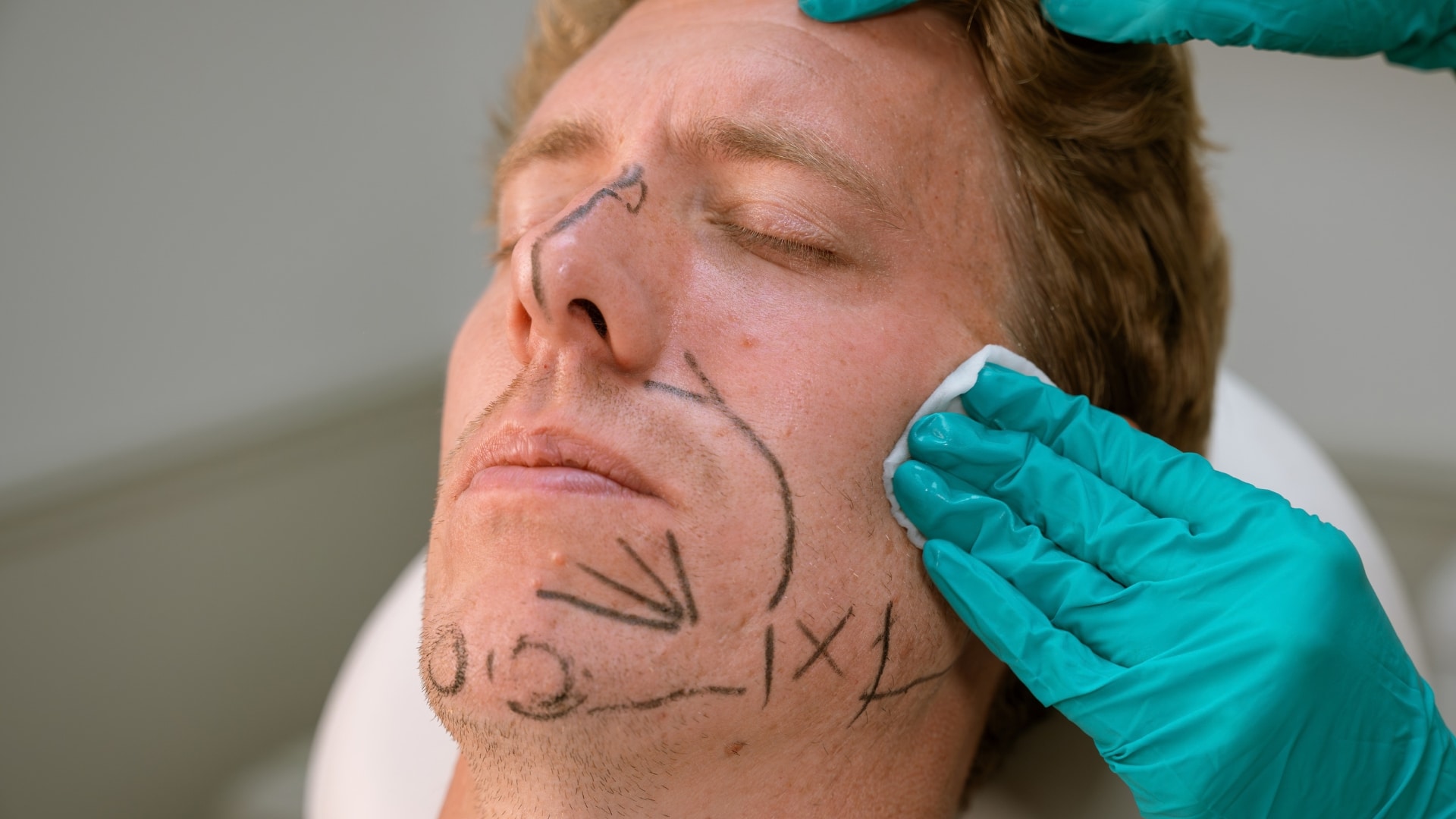
Non-surgical rhinoplasty uses filler to adjust selected contours of the nose. It may camouflage a small bridge irregularity or improve the appearance of certain asymmetries in suitable patients.
Filler adds volume: it cannot reduce the physical size of the nose or correct breathing problems. Your assessment will establish whether the change you want is achievable and whether another approach would be more appropriate. Results vary between individuals.
How Non-Surgical Rhinoplasty Works
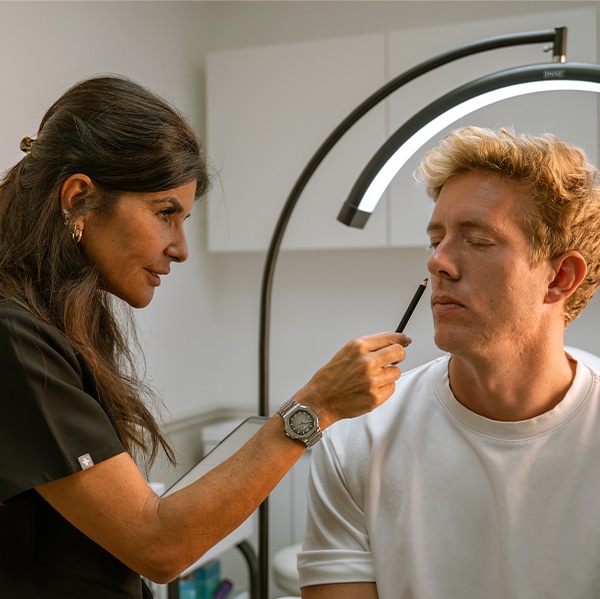
Your clinician assesses your nasal structure, skin, previous treatment and goals before recommending a plan. Product choice, amount and placement are tailored to the individual.
The nose has blood vessels connected to the circulation around the eyes. Filler entering a blood vessel can cause serious complications, including skin damage or vision loss. Careful technique and emergency preparedness are essential, but cannot eliminate these risks.
Tell your clinician about any previous nasal surgery, filler or injury, as these can affect assessment and treatment planning.

Who Is Non-Surgical Rhinoplasty For?
An assessment may be helpful if you want to:
- Camouflage a small irregularity along the nasal bridge.
- Discuss selected changes to nasal contour or symmetry.
- Understand the possibilities and limitations of a temporary, non-surgical treatment.
Filler does not reduce nose size or treat breathing difficulties. Previous nasal surgery or injury requires particular consideration and may make treatment unsuitable. Treatment is not recommended during pregnancy or breastfeeding.
What to expect, and when you will see results
Local anaesthetic may be used for comfort. Your appointment length will be confirmed when booking, including assessment and preparation.
An initial change is visible immediately, although swelling, tenderness or bruising can affect the appearance during recovery. Your clinician will explain when to review the result, how to care for the area and which symptoms require immediate attention. Discuss glasses or other equipment that rests on your nose before treatment. Your clinician will advise what adjustments are needed and for how long.
Results typically last twelve to eighteen months, although duration varies.
Benefits of non-surgical rhinoplasty
- Can camouflage selected nasal contour irregularities.
- Can improve the appearance of certain asymmetries.
- Offers temporary contour adjustment without surgery in suitable patients.
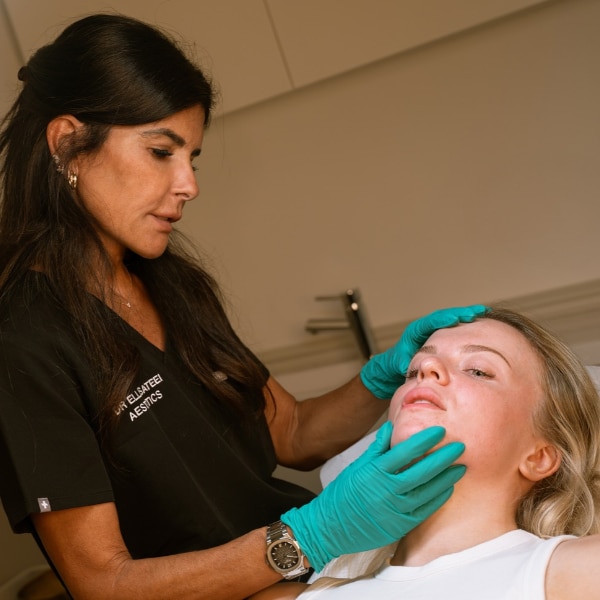
Dr Ellie Sateei on Non-surgical rhinoplasty
“My priority is establishing whether the change you want can be achieved appropriately with filler. I explain the limitations, risks and alternatives before recommending treatment, including when a surgical opinion would be more suitable.”
Dr Ellie Sateei has over two decades of experience in dermatology and aesthetics.
Non-surgical rhinoplasty FAQs
£695 at her London clinic. Your consultation is £195, deducted from the cost of treatment if you go ahead on the day.
No. Filler adds volume and cannot reduce the physical size of your nose. If reduction is your goal, a surgical consultation may be appropriate.
Typically twelve to eighteen months, although duration depends on the product, treatment and individual response.
Nasal filler carries particular vascular risks, including skin damage and vision loss. These complications can be permanent. Assessment, careful technique and emergency preparedness reduce risk but do not eliminate it. Your clinician will discuss these risks and alternatives before you decide whether to proceed.
Previous surgery can alter the tissues and blood supply, making assessment and treatment more complex. A detailed consultation is required, and treatment may not be appropriate.
Hyaluronic acid filler may be dissolved using hyaluronidase where clinically appropriate. This is a separate intervention with its own risks and may require repeated treatment. Dissolving filler does not guarantee reversal of complications such as skin damage or vision loss.
Non-surgical Rhinoplasty Aftercare and Recovery
Temporary swelling, tenderness and bruising can occur after treatment. Your clinician will explain the expected recovery and when the result should be reviewed. Follow the aftercare instructions provided and report concerning symptoms promptly.
Follow your treatment-specific instructions on skincare, activity and pressure on the nose. Make sure you have the clinic’s urgent contact details and understand the symptoms requiring immediate medical attention.
Pre-treatment guidance
To prepare for your appointment:
- Arrive with clean skin, free from make-up
- Eat beforehand, so you are comfortable during treatment
- Tell your clinician about all medicines and supplements you take. Do not stop prescribed medication without advice from your prescriber
- Tell your clinician about any previous nasal surgery, injury or filler, and any breathing difficulties
- Avoid alcohol for 24 hours beforehand, which reduces the likelihood of bruising
- Tell Dr Sateei about any active skin condition, cold sore or recent procedure in the area to be treated
- Tell her about any previous filler in the area, however long ago, and about any planned dental work or vaccination
- If you have an event coming up, allow at least two weeks between treatment and the date
On the day, clinical photographs and consent are completed if not already done, the skin is cleansed thoroughly, and topical anaesthetic is applied for comfort. Treatment takes approximately 30 to 45 minutes following preparation.
What to expect immediately after
You may notice:
- Swelling at and around the injection points, most evident in the first 24 to 48 hours
- Bruising, which is common and usually fades within a week to ten days
- Tenderness to touch, and a firm feeling in the treated area
- Small raised areas or slight unevenness, which typically settle as the product integrates
- Swelling across the bridge and sometimes under the eyes
Swelling can temporarily affect the appearance. Contact the clinic if symptoms worsen or concern you, and follow the urgent advice below for pain, skin-colour changes or visual symptoms.
Post-treatment care
For the first 24 hours
- Avoid make-up over the treated area
- Avoid alcohol
- Avoid strenuous exercise
- Avoid heat, including saunas, steam rooms, hot baths and sunbeds
For the first few days
- Do not massage the treated area unless your clinician advises you to
- Avoid facial treatments, facials and any procedure involving pressure on the area for two weeks
- Keep the area clean, and use broad-spectrum SPF 30 or above daily, including on overcast days
- Set aside retinoids, exfoliating acids and other active skincare until the skin has settled
- Use only the products Dr Sateei has recommended
- Discuss glasses or other equipment that rests on your nose before treatment. Your clinician will advise what adjustments are needed and for how long
- Avoid blowing the nose forcefully for 24 hours
A cool compress, used gently and without pressure, may help with swelling in the first 24 hours.
When will I see results
An initial change is visible immediately, but swelling can temporarily affect the appearance. Your clinician will advise when to review the result and whether any further treatment is appropriate. Recovery and results vary between individuals.
Who this treatment is not suitable for
Tell your clinician if any of the following apply:
- An active skin infection, cold sore or open wound in the area to be treated
- A history of keloid or hypertrophic scarring
- Certain autoimmune conditions, or a skin disorder affecting the treatment area
- A known allergy to any ingredient in the proposed treatment
- You are pregnant or breastfeeding
- You have had previous nasal surgery, injury or filler
Suitability is confirmed at a full medical consultation before any treatment is carried out. When Dr Sateei judges that non-surgical rhinoplasty is not the right approach, she will say so.
When to contact us
Seek emergency medical attention immediately by calling 999 if you develop any change in vision or symptoms of a stroke after treatment.
Contact the clinic immediately for unusual, severe or worsening pain, or skin becoming white, grey, blue or mottled around the treated area. These symptoms require urgent assessment.
Contact the clinic promptly for increasing swelling, redness, heat or discharge, or a persistent or newly developing lump.
Related treatments
Other treatments Dr Sateei may recommend as part of your individual plan.