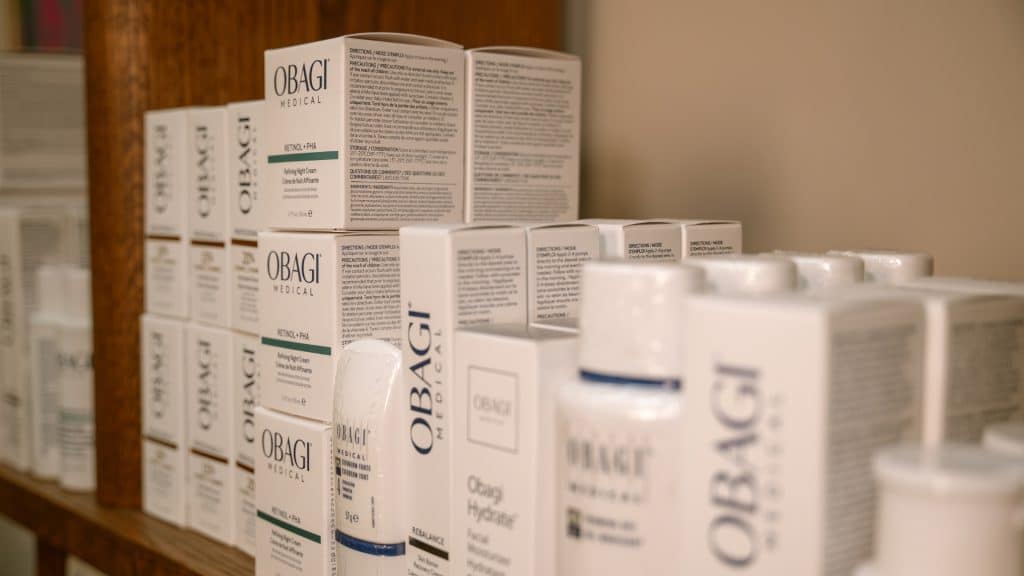



Prescription Skincare in London
A personalised skin consultation to assess your concerns, review your current routine and discuss suitable treatment options. Prescription treatment is considered where clinically appropriate.
Prescription Skincare at a Glance
What Does Prescription Skincare Do?
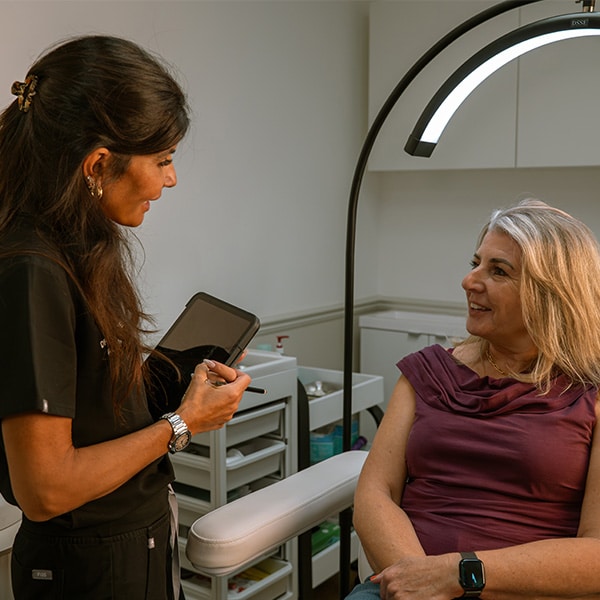
A skin consultation assesses your concerns alongside your medical history and current routine. Where appropriate, prescription treatment may be considered for a diagnosed skin condition. Your clinician will explain suitable options, their expected benefits and risks, and how treatment will be monitored. A prescription is not the outcome of every consultation, and non-prescription skincare may form part of your plan.
At Dr Ellie Sateei’s London clinic these are prescribed following a face-to-face consultation, as the law requires, and reviewed rather than issued once. Results vary between individuals.
Bespoke Skincare Plan
Your skincare plan is tailored to your skin, concerns and current routine. Following assessment, you will receive clear guidance on which products to use, how to introduce them and what to pause. Prescription treatment is included only where appropriate, with an agreed review to assess your response and adjust the plan.
How Prescription Skincare Works
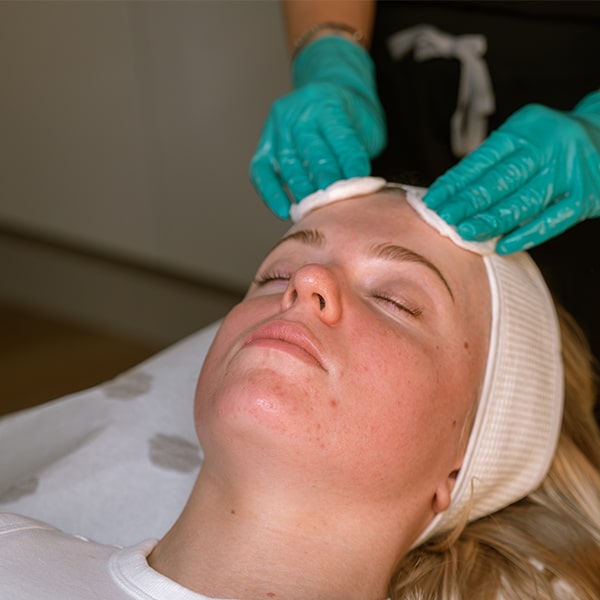
Different treatments act in different ways, so the choice depends on the diagnosis and your skin’s needs. Your clinician will explain why a treatment is recommended, how to use it and when to review the response. Where a product can cause irritation, the introduction plan is adjusted to your skin and the medicine’s instructions. Significant or persistent irritation requires advice; continuing through it is not a necessary part of treatment. Sun protection is an important part of managing pigmentation and sun-related skin changes. It supports treatment but does not guarantee that pigmentation will not recur.
Who Prescription Skincare Is For
It may suit you if you are looking to:
- Discuss pigmentation or uneven skin tone
- Seek assessment of acne or persistent breakouts.
- Review a routine that is irritating or not meeting your needs.
- Discuss skin texture, sun-related changes or skincare around a planned procedure.
Tell your clinician if you are pregnant, planning pregnancy or breastfeeding. Suitable options depend on the specific medicine. Topical retinoids must not be used during pregnancy or when planning pregnancy; breastfeeding advice is assessed separately for each treatment.
What to Expect, and When You Will See Results
Your consultation includes a skin assessment, a review of your medical history and current
products, and a discussion of suitable options. Where treatment is recommended, your plan
explains how to use it and when to return for review.
Some treatments can cause dryness or irritation. Your clinician may adjust the frequency, pause treatment or change the plan depending on your symptoms. Do not continue through significant burning, swelling or a suspected allergic reaction.
Results depend on the condition and treatment. Some changes may become apparent over eight to twelve weeks, while pigmentation can require several months. Your review date will be agreed with you.
Benefits of Prescription Skincare
- A treatment plan based on assessment of your skin and concerns.
- Clear instructions and an agreed review.
- Advice on suitable skincare alongside any prescribed treatment.
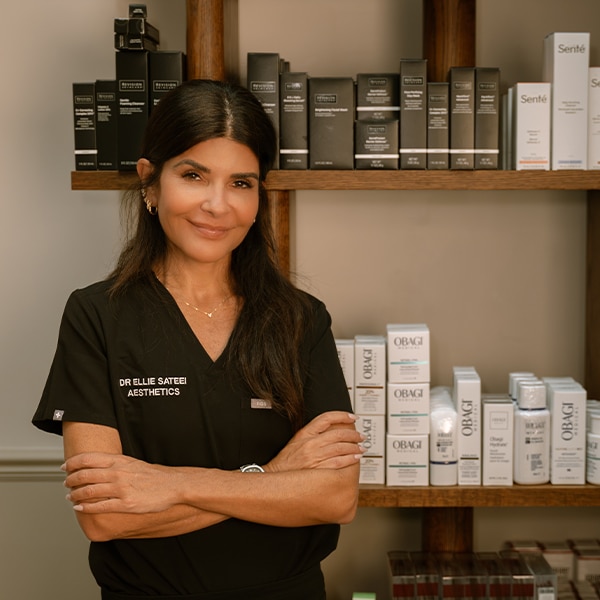
Dr Ellie Sateei on Prescription Skincare
Treatment should be appropriate for the individual, manageable to use and reviewed as the skin responds. The consultation considers what your skin needs, what you can tolerate and whether prescription treatment has a useful role.
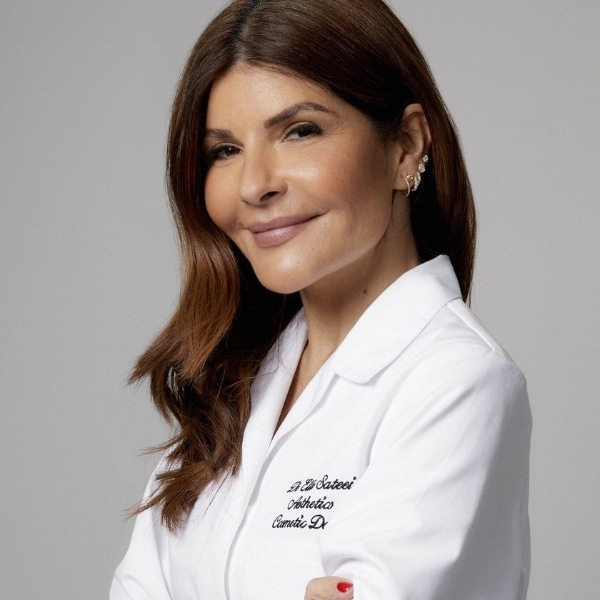
Dr Ellie Sateei has over two decades of experience in dermatology and aesthetics.
Prescription Skincare FAQs
Yes. Your clinician needs to assess your skin and medical history before deciding whether prescription treatment is appropriate. The consultation costs £195. The team will explain any separate treatment costs and the applicable consultation-fee policy before booking.
Sometimes, but it depends on the product and your previous reaction. Your clinician will assess whether a different approach is appropriate or whether another option would suit you better.
Texture and clarity typically improve over eight to twelve weeks. Pigmentation is slower, often three to six months of consistent use.
Some prescription skin treatments may be suitable, while others must be avoided. Tell your clinician if you are pregnant, planning pregnancy or breastfeeding so the specific treatment can be assessed. Do not use topical retinoids during pregnancy or when planning pregnancy.
Daily broad-spectrum sun protection is important, particularly when managing pigmentation or using treatments that increase sensitivity to sunlight. Your clinician will advise on a suitable sunscreen and other protective measures.
Prescription Skincare Aftercare and Recovery
Follow the instructions provided for your prescribed treatment and attend your agreed review. Contact the clinic if you are unsure how to use a product or if your skin is reacting.
Use products at the amount and frequency prescribed. Introduce other skincare only as agreed, and follow your sun-protection advice. Some products can cause irritation, but significant discomfort is not something to push through.
Before you start
- Review your current products with your clinician and follow the agreed advice on what to pause or continue.
- Start one new product at a time, in the order you have been given
- If a retinoid is part of your plan, begin at the frequency prescribed rather than nightly, and build up as directed
- Tell your clinician about previous sensitivity or allergic reactions. Ask whether any
- additional precautions are appropriate for the prescribed product.
- Tell the clinic about any planned procedure so skincare changes and any necessary pauses can be agreed.
What to expect in the first six weeks
With a prescription retinoid, you may notice:
- Dryness, flaking and mild tightness, usually from week one to two
- Mild redness or stinging on application
- A temporary worsening of congestion or breakouts, most common in acne-prone skin
- Increased sensitivity to sun
Mild dryness or flaking may settle as your skin adapts, but not everyone experiences this. Worsening breakouts, persistent stinging or marked redness should be discussed with the clinic rather than assumed to be normal adjustment. Significant burning, swelling or a suspected allergic reaction requires you to stop the suspected product and seek advice.
Using your routine
- Apply to clean, dry skin, and allow a few minutes between steps where advise
- Use broad-spectrum SPF 30 or above daily, alongside shade and protective clothing. Reapply as directed, particularly when outdoors.
- Use the amount prescribed and avoid the eyes, lips and other sensitive areas unless specifically directed otherwise. Applying more does not speed up results.
- Ask your clinician how to manage irritation. A moisturiser, reduced frequency, a treatment pause or a different product may be appropriate.
- Ask your clinician about hair removal on treated skin, particularly waxing or depilatory creams, which can cause skin injury or irritation.
- Tell any other practitioner that you are using a retinoid before any facial treatment
- Use only the products Dr Sateei has recommended
When will I see results
- Hydration and smoothness often improve within two to four weeks
- Texture and clarity typically take eight to twelve weeks
- Pigmentation is the slowest, often three to six months of consistent use, and is prone to returning without daily sun protection
- A review at eight to twelve weeks is recommended to assess response and adjust. Skincare is not a one-off prescription
- Results vary between individuals
Who this is not suitable for
Suitability depends on the medicine and your medical history. Tell your clinician about pregnancy, plans for pregnancy, breastfeeding, allergies, other medication and any current skin condition. Some treatments should not be applied to inflamed, infected or damaged skin, while other prescriptions are used specifically to treat skin disease. Your clinician will select suitable options and explain any precautions. Suitability is confirmed at a full skin consultation before anything is prescribed.
When to contact us
Contact the clinic if irritation is persistent or worsening, breakouts become markedly worse, or you are unsure whether to continue. Stop the suspected product and seek prompt medical advice for significant burning, swelling, blistering, weeping or a spreading rash. Do not wait two weeks for a marked reaction to settle. Call 999 for difficulty breathing, swelling of the tongue or throat, or collapse.
Related Treatments
Other treatments Dr Sateei may recommend as part of your individual plan.