


Chemical Peels in London
Chemical peels improve skin texture, tone and clarity, with the treatment selected according to your skin and concerns
Chemical Peels at a Glance
Chemical peels
From £250
Varies by peel type and treatment area. £195 new patient consultation fee, deducted from treatment on the day.
What Do Chemical Peels Actually Do?
A peel applies a controlled solution to the skin to remove or loosen the outer layers, prompting fresh skin to emerge and, at greater depths, stimulating collagen beneath.
The word covers an enormous range. Lactic and mandelic acid peels may offer a gentler option, depending on the formulation and your skin’s condition. A trichloroacetic acid peel works considerably deeper and involves several days of shedding. Both are peels, and the difference between them is not sophistication but suitability.
At Dr Ellie Sateei’s London clinic the peel is selected from a clinical assessment of your skin, its barrier function, its sensitivity and how much recovery you can accommodate. Results vary between individuals.
How Chemical Peels Work
Different acids reach different depths and target different things. Salicylic acid is oil-soluble and works into the pore, which suits congestion and acne-prone skin. Glycolic and lactic acids work on the surface, improving texture and tone. Mandelic is gentler and better tolerated by reactive skin. Jessner and TCA reach deeper for more established texture and pigment change. Enzyme peels loosen the surface without acid at all. Retinol peels work over the following days rather than during the appointment.
Dr Sateei selects from that range rather than working through a fixed menu. Skin type, pigmentation risk, current skincare, recent treatment and how much downtime you can accommodate all narrow the choice before a bottle is opened.
Depth of peel is not a measure of quality. Peel selection takes account of skin sensitivity and the risk of post-inflammatory pigmentation.
Peels for pigmentation need particular care. Melasma in particular can worsen with the wrong approach, and the skincare and photoprotection around the peel matters more than the peel itself.
Who Chemical Peels Are For
A peel may suit you if you are looking to:
- Improve dullness, uneven tone or surface texture
- Address congestion and acne-prone skin
- Improve mild pigmentation as part of a wider skincare plan
- Refine surface quality with a defined amount of downtime
Scarring and deeper skin changes require individual assessment to determine the most appropriate treatment. Peels are avoided during pregnancy for certain acids, where the skin barrier is compromised, where there is active infection, and are approached with particular caution in deeper skin tones and in melasma.
What to Expect, and When You Will See Results
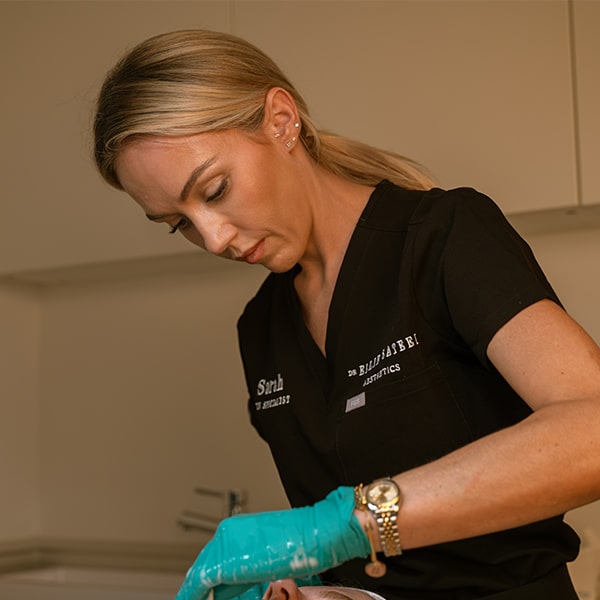
The solution is applied to cleansed skin for a set period. Most patients describe a warming or tingling sensation that settles once it is removed or neutralised.
Downtime varies entirely with the peel. PRX-T33 involves no visible peeling and patients return to normal activity immediately. Superficial peels may involve slight flaking for a day or two. Deeper peels involve several days of visible shedding, and that timeline is set out clearly before you commit.
Sun protection afterwards is essential rather than advisable. Follow your practitioner’s sun-protection advice throughout recovery.
Peels are generally planned as a course of three to six, spaced according to depth, with maintenance afterwards.
Benefits of Chemical Peels
- Matched to your skin: acid, strength and depth chosen from assessment rather than from a menu
- A defined range of downtime: from none at all with PRX-T33 to a planned week with deeper peels
- Targeted skin renewal: helps improve dullness, uneven tone and surface texture.
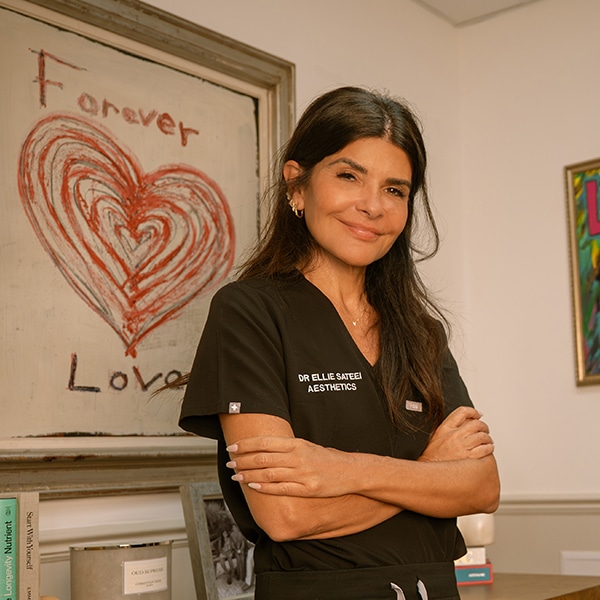
Dr Ellie Sateei on Chemical Peels
“There is a belief in this industry that a stronger peel is a better peel. It is not. A peel too aggressive for the skin it is applied to causes inflammation, and in darker skin tones it can cause pigmentation that lasts far longer than whatever we were treating. The right peel is the one your skin can recover from properly, and quite often that is a gentler one repeated than a strong one endured.”
Dr Ellie Sateei has over two decades of experience in dermatology and aesthetics.
Chemical Peels FAQs
From £250. Pricing for other peel types is confirmed at consultation, which is £195 and deducted from treatment on the day.
That depends on your skin type, your concern, your pigmentation risk and how much downtime you can accommodate. It is decided at assessment rather than chosen from a list.
It depends entirely on depth. PRX-T33 involves no visible peeling. Superficial peels may flake slightly. Deeper peels involve several days of shedding, which is explained before you commit.
Cautiously, and as part of a wider plan. Melasma can worsen with the wrong approach, and the skincare and daily photoprotection around the peel matter more than the peel itself.
The number of treatments and intervals depend on the peel selected, your concerns and your skin’s response. Your practitioner will confirm your plan at consultation.
With the right acid and depth, yes. The wrong choice carries a genuine risk of post-inflammatory pigmentation, which is why assessment matters more than strength.
Chemical peels Aftercare and Recovery
Redness, sensitivity and peeling vary according to the treatment used. Your practitioner will explain the expected recovery and provide aftercare tailored to your peel. During that settling period, keeping your routine gentle and protecting the skin properly is what supports comfortable healing and gets the most from your treatment.
Resurfacing works by prompting the skin to renew its surface, which temporarily leaves the barrier more reactive than usual. Aftercare for the first phase is deliberately plain: cleanse, protect, repair. No acids, no retinoids, nothing active. Sun protection is not a final step here but the central one.
Pre-treatment guidance
To prepare for your appointment:
- Arrive with clean skin, free from make-up where possible
- Tell Dr Sateei about any active breakout, cold sore, irritation or open wound in the area
- Tell her about any change to your skincare or medication, including prescription products and oral retinoids
- Stop retinoids and exfoliating acids for the period Dr Sateei advises beforehand, usually around five to seven days
- Avoid sun exposure and sunbeds in the two weeks beforehand, and wear daily SPF in the lead-up
- Avoid waxing, threading and hair removal creams in the area for a week beforehand
- If you have an event coming up, allow at least two weeks between treatment and the date
On the day, clinical photographs and consent are completed if not already done, and the skin is cleansed and prepared. Treatment time varies with the peel used and is confirmed at consultation.
What to expect immediately after
You may notice:
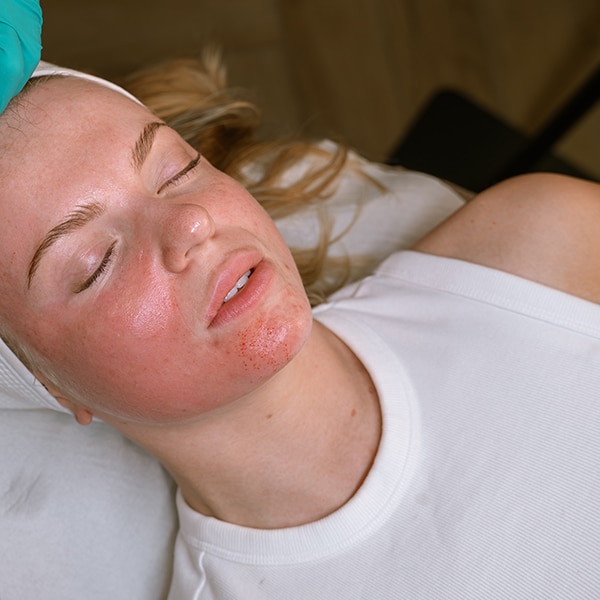
- Pinkness or redness, ranging from mild to more pronounced, similar to mild sunburn
- A warm sensation and mild tightness
- Temporary sensitivity to touch
- Dryness, flaking or peeling as the skin renews, usually starting day two to three and lasting three to five days
Some peels cause visible flaking or peeling; others do not. Your practitioner will explain what to expect from the treatment selected.
Post-treatment care
Immediately after treatment, the same day
- Your skin will likely appear pink and this is expected
- Contact the clinic if redness worsens or you develop burning, itching or swelling beyond what your practitioner advised you to expect.
- Your practitioner will advise when you can resume makeup, depending on the peel used and how your skin is healing.
Skincare
- Use only the products Dr Sateei has recommended until your skin has returned to normal
- Do not pick, peel or pull at flaking skin. Let it come away naturally.
- Set aside retinoids, exfoliating acids and any other active skincare until the skin has fully settled, usually around a week
- Once your skin has settled, return to your usual routine as Dr Sateei advises
Sun protection, essential rather than optional
- Wear broad-spectrum SPF 30 or above daily, including on overcast days, for at least four weeks
- Avoid direct sun exposure and sunbeds entirely while the skin is settling
For the first 48 hours
- Avoid alcohol
- Avoid vigorous exercise and heavy sweating
- Avoid extremes of heat or cold, including saunas, steam rooms and hot baths
- Avoid swimming pools
When will I see results
- Skin often looks brighter and smoother within the first week, once any flaking has finished
- Tone and clarity continue improving over the following weeks
- A course is usually recommended for pigmentation, texture and scarring, with the number of sessions confirmed at consultation
- Pigmentation is the slowest to respond and the most likely to return without daily sun protection
- Results vary between individuals
Who this treatment is not suitable for
Tell your practitioner if any of the following apply to you:
- An active skin infection, cold sore or open wound in the area to be treated
- Active moderate to severe acne, which usually needs managing first
- A history of keloid or hypertrophic scarring
- Recently taken oral retinoids
- Recent sun exposure or a tan in the treatment area
- Certain autoimmune conditions, or a skin disorder affecting the treatment area
- Are pregnant or breastfeeding
Suitability is confirmed at a full medical consultation before any treatment is carried out. When Dr Sateei judges that a chemical peel is not the right approach, she will say so.
When to contact us
Please contact the clinic if you experience:
- Redness that worsens rather than settles after 48 hours
- Blistering, crusting, weeping or open areas
- Signs of infection, including increasing redness, heat, swelling or discharge
- Pain that is severe or out of proportion to the treatment
- A cold sore developing in the treated area
- Any darkening of the skin in the treated area in the weeks afterwards
Related Treatments
Other treatments Dr Sateei may recommend as part of your individual plan.