


Dr Ellie’s Blog
Skin boosters explained: which one suits your skin
Written by the team at Dr Ellie Sateei, 4th November, 2026
Profhilo, Belotero Revive, Redensity 1, Skinvive. They are sold as though they were interchangeable, and they are not.
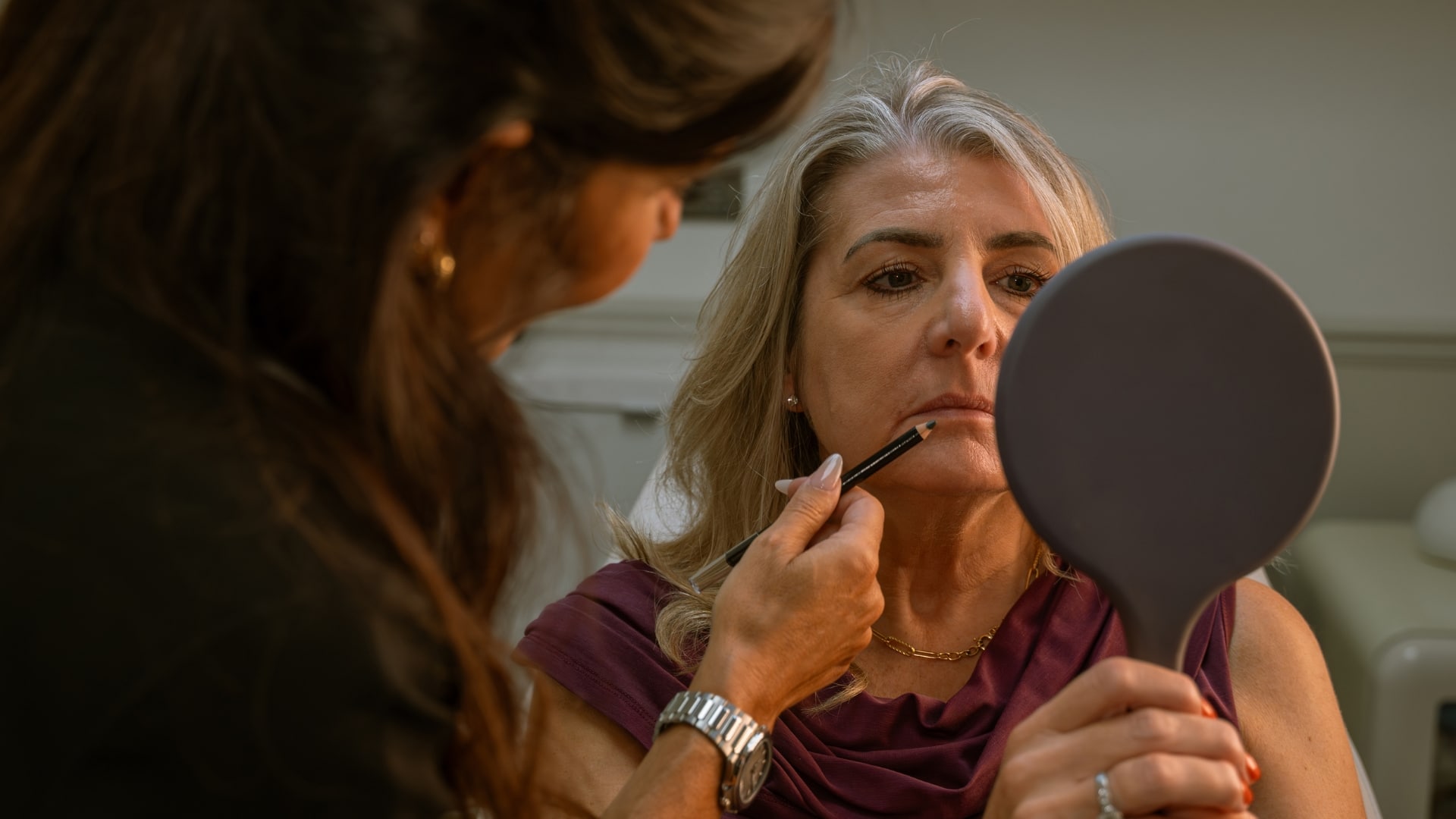
Ask for a skin booster in London and you will be offered something, and what you are offered depends largely on which clinic you walked into. These products are routinely presented as versions of the same treatment. They are not. A skin booster is an injectable that improves the quality of the skin without changing the shape of the face, and the ones used at Dr Ellie Sateei’s London clinic fall into three groups that behave differently: focused hyaluronic acid boosters, bio-remodelling, and polynucleotides. This article explains what each group does, who it suits, and how the choice is actually made.
What a skin booster actually is
A skin booster is an injectable that improves the quality of the skin rather than its shape.
That distinction is the important one. A dermal filler is formulated to hold its position and alter contour. A skin booster is formulated to do the opposite, dispersing through the tissue to improve hydration, texture and firmness without adding structure. If the shape of your face is what is on your mind, this is the wrong category and dermal fillers are where to look instead.
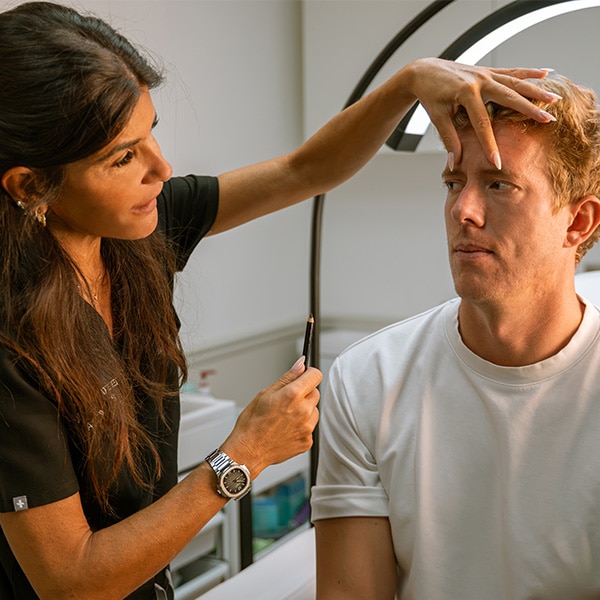
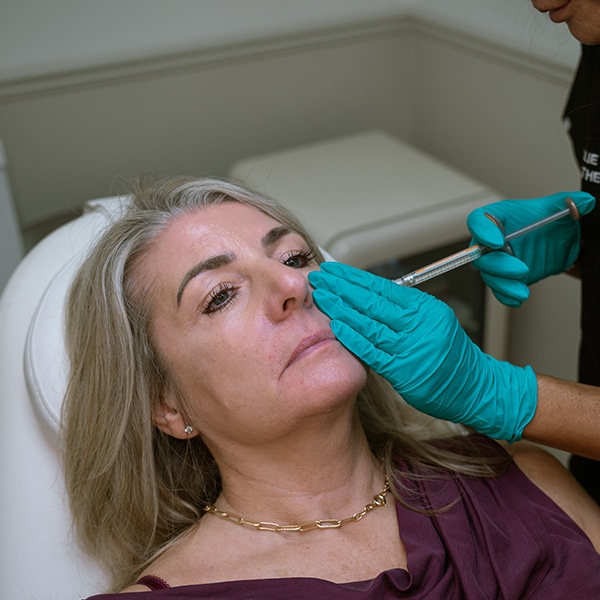
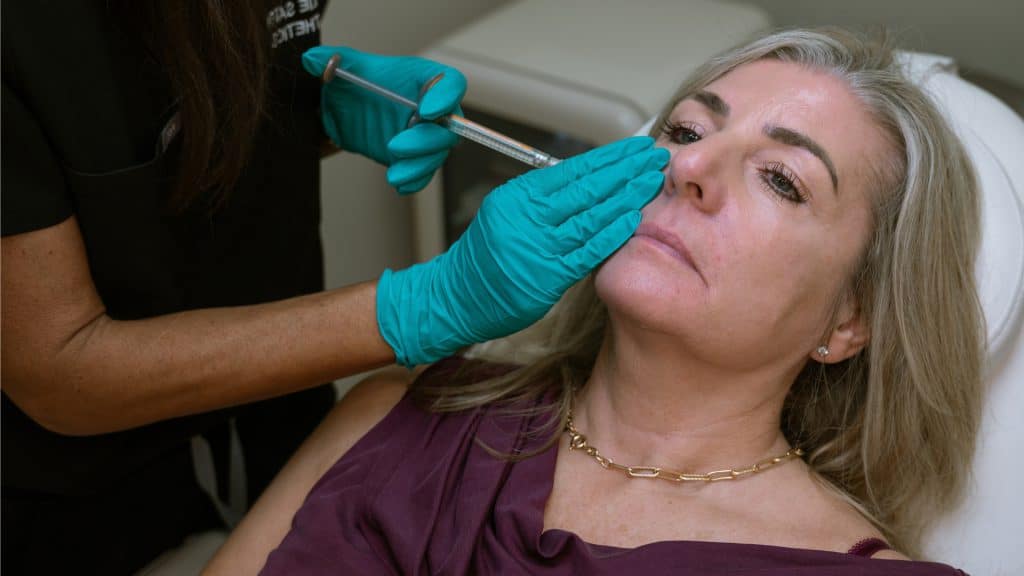
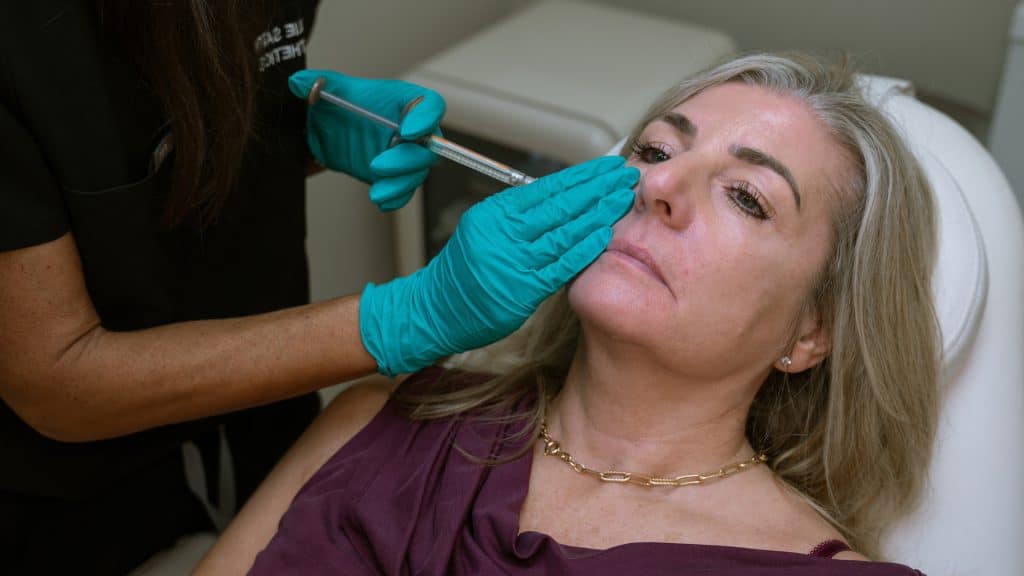
Boosters are delivered through a series of small injections across the treatment area rather than placed at a single point, and almost all are given as a course rather than a single appointment.
Why there are so many skin booster brands
Once you know what a booster is meant to do, the obvious question is why there are so many of them. They appear on price lists as a simple menu, with names that mean nothing to anyone outside the industry and descriptions that could be swapped between them without anyone noticing.
In practice they contain different ingredients, work through different mechanisms, persist for different lengths of time and suit different skin. A product designed for fine surface texture across the cheeks will not do what a product designed for broader laxity does, and the reverse is equally true. The most common reason a skin booster disappoints is not that it was a poor product. It is that it was the right product for someone else’s skin.
The Three Families
01
Focused hyaluronic acid boosters.
These deliver hyaluronic acid, often alongside supporting nutrients, into the skin itself, where it draws in moisture and improves hydration, texture and light reflection. Skinvive, Belotero Revive and Teosyal Redensity 1, part of the Teosyal range, all sit here. Redensity 1 pairs hyaluronic acid with amino acids, antioxidants and vitamins to support the process further. They differ in concentration and in how firmly the hyaluronic acid is held together, which affects how long they persist and how precisely they can be placed.
Often used for dull and dehydrated skin, fine texture and skin that reads as flat in photographs.
02
Bio-remodelling
Profhilo is a very high concentration of stabilised hyaluronic acid designed to spread widely through the tissue from a small number of set injection points. That suits firmness across a whole area rather than fine texture in a specific one.
Often used for mild laxity across the lower face, the neck and jawline, the décolletage and the hands.
03
Polynucleotides
Polynucleotides are not hyaluronic acid at all. They work through a different pathway, supporting the skin’s own regeneration rather than drawing in water, and they are grouped with skin boosters because they are used for the same kind of concern.
Around the eyes in particular they are often the more appropriate choice, which is why there is a separate under-eye treatment built around them.
Types of skin Boosters compared
| What it contains | What it does | Often chosen for | |
|---|---|---|---|
| Focused hyaluronic acid boosters | Hyaluronic acid, sometimes with amino acids, antioxidants and vitamins | Hydration, texture and light reflection | Dullness, fine texture, skin that reads as flat |
| Bio-remodelling | High-concentration stabilised hyaluronic acid | Firmness and tone across a broader area | Mild laxity, neck, décolletage, hands |
| Polynucleotides | Purified polynucleotides | Supports the skin’s own regeneration | Under-eye concerns, fragile or depleted skin |
Results vary between individuals, and a particular degree or duration of improvement cannot be guaranteed.
Who are skin boosters suitable for?
Skin boosters may be suitable for patients whose skin has become dull, dry, thinner or less firm, where the quality of the skin rather than the shape of the face is the concern. They are often chosen by people who want a gradual improvement and no change to how their face is structured, and they suit the neck, the décolletage and the hands, where traditional filler is rarely appropriate.
They may not be suitable where the concern is structural. They will not lift, will not define a jawline, will not project a chin or change a lip, and will not fill a defined hollow. They will not address deep lines caused by muscle movement. They also do not work in isolation: skin that is poorly protected from the sun, or that is going through a significant hormonal change, will respond less well, and no injectable compensates for that.
Treatment is not recommended during pregnancy or breastfeeding. Tell your clinician about any medical conditions, medication, allergies and previous injectable treatments, including those carried out elsewhere.

What results can you expect?
Many patients notice improved hydration within two to three weeks of the first session. The firmer, smoother quality develops more gradually, as collagen and elastin production responds, typically over one to three months.
Skin boosters are a course rather than a single treatment, because the hydrating effect appears relatively quickly while the improvement in firmness depends on the collagen response, which takes longer. The number of sessions, the interval between them and the injection technique all depend on the product selected and your individual plan.
Results typically last four to six months, after which maintenance sessions help sustain the benefit. Results vary between individuals, and the right course and maintenance interval are confirmed at consultation rather than set in advance.
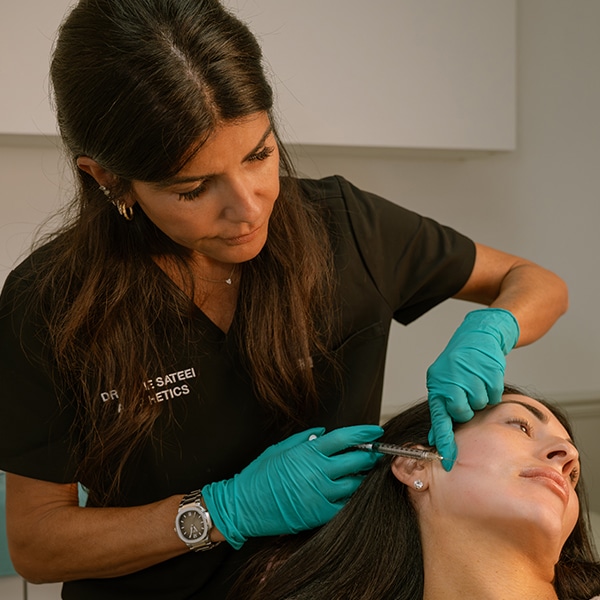
Treatment is delivered through a series of small injections. Most patients describe mild discomfort, and topical numbing can be used where appropriate.
Small raised areas at the injection points are common and usually settle within a day or so. Some swelling, redness or bruising in the following days is normal. Most patients return to their usual routine immediately, though you may prefer to plan treatment a few days ahead of an event.
Avoid make-up on the treated area for the period your clinician specifies, usually the first 12 to 24 hours, along with strenuous exercise, saunas and steam rooms for at least the first 24 hours. Protect the treated area from strong sun. Contact the clinic about persistent or worsening symptoms rather than assuming they are part of normal settling.
As with any injectable, bruising, swelling and tenderness are possible, and infection is uncommon but not impossible. Lumps at injection points usually settle, but persistent firmness should be reviewed rather than waited out.
The main limitation is one of expectation. Skin boosters improve the quality of skin. They do not restructure a face, and a course bought in the hope that it will is money spent on the wrong thing. Where the assessment finds that the concern is structural, saying so and recommending something else is more useful than proceeding.
These products are also not interchangeable, which is why the choice is made after assessing the skin rather than from a price list. A clinic that offers you a product before examining your skin has reversed the order of the decision.
Why choose Dr Ellie Sateei?
Dr Ellie Sateei has more than twenty years of experience in aesthetic medicine, with a background in oral and maxillofacial trauma and training at the Karolinska Institute. She is registered with the General Dental Council and is a member of the ACE Group, which sets standards for the management of complications in aesthetic practice.
She works with a wide range of skin booster products rather than a single brand, which means the choice can follow the assessment instead of the stock cupboard.
The clinic is at The Medi Suites, 120 Pall Mall, St James’s, in central London, a short walk from Piccadilly Circus and Charing Cross.
Explore our skin booster brands
If you would like to read about a particular product before your consultation, each range has its own page explaining what it contains and what it is typically used for.





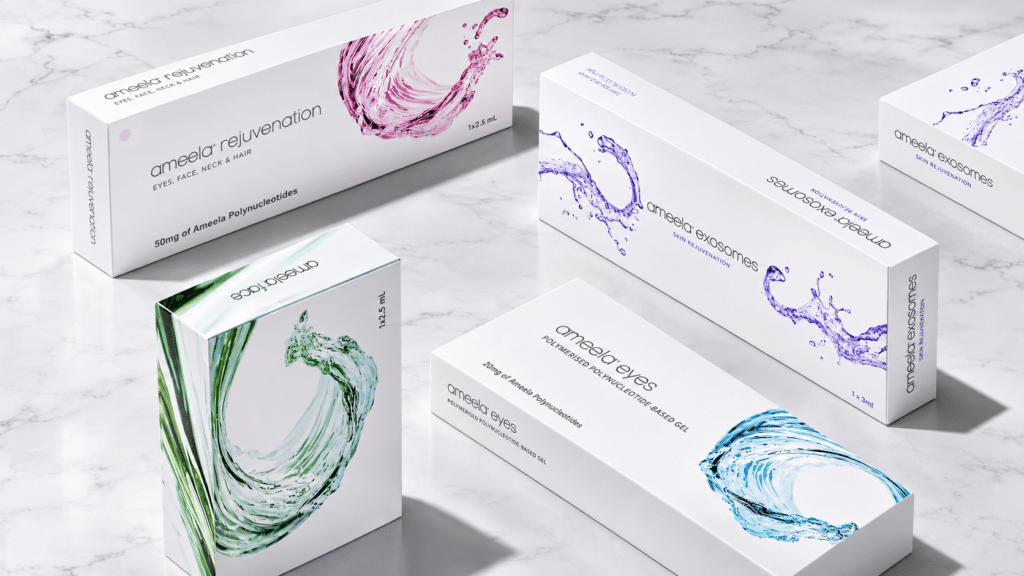


Which of these is appropriate is a clinical decision made after your skin has been assessed, so these pages are intended to inform the conversation rather than to be chosen from in advance. Where more than one is combined into a planned course, that approach is set out in the Signature Skin Booster Protocol.
Frequently asked questions
Skin booster pricing depends on the product and the number of syringes. At the London clinic, Redensity 1 is £395 for 1ml, Profhilo £450 for one syringe, polynucleotides £590 for 2ml, Belotero Revive £650 for two syringes and Skinvive £860 for two syringes. Current figures are on the prices page. The new patient consultation is £195, deducted from the cost of treatment carried out on the same day.
Skin boosters are injectable treatments that improve the quality of the skin rather than its shape. They are delivered through a series of small injections across an area to improve hydration, texture and firmness. Unlike dermal fillers, they are not designed to add volume or alter facial contour, and they are usually given as a course of sessions rather than a single treatment.
Profhilo is usually grouped with skin boosters and is often described as one, though it is more precisely called a bio-remodelling treatment. It uses a very high concentration of stabilised hyaluronic acid that spreads widely through the tissue, which makes it better suited to firmness across a broad area than to fine surface texture in a specific one.
Both combine amino acids with hyaluronic acid to support the skin’s own collagen production, and both include formulations for the delicate eye area. They differ in their specific amino acid blends and in how their ranges are formulated, with Sunekos also supporting elastin. Which is more appropriate depends on your skin and the area being treated, and is decided at assessment.
Yes. These areas have thinner skin that changes differently to the face, and they often respond well to skin boosters where traditional filler would not be appropriate. The product, the depth and the number of injection points are planned differently for these areas than for the face, so they are assessed separately at consultation.
This depends on the product and the area. Most skin boosters are given as a course, with sessions spaced a few weeks apart, and Profhilo is typically given as two sessions around four weeks apart. The number of sessions is agreed with you at consultation once your skin has been assessed, and maintenance is discussed at review.
No. Skin boosters improve hydration, texture and firmness, but they do not lift, add volume or change facial structure. If loss of definition or support is the main concern, a different treatment will be more appropriate, and your practitioner will explain which options are worth considering after examining your skin.
Most patients describe mild discomfort rather than pain. Topical numbing can be applied beforehand where appropriate. Treatment involves a series of small injections, and small raised areas at the injection points are common immediately afterwards, usually settling within a day or so.
Often yes, as they address skin quality rather than structure and so complement treatments that do something different. The order and spacing of treatments is planned at consultation rather than decided on the day, because sequencing affects both comfort and outcome.
Book a consultation
If your skin has become dull, dry or thinner rather than changing shape, this is likely to be the right category. Which family, and which product within it, is a decision to make after your skin has been assessed rather than before.
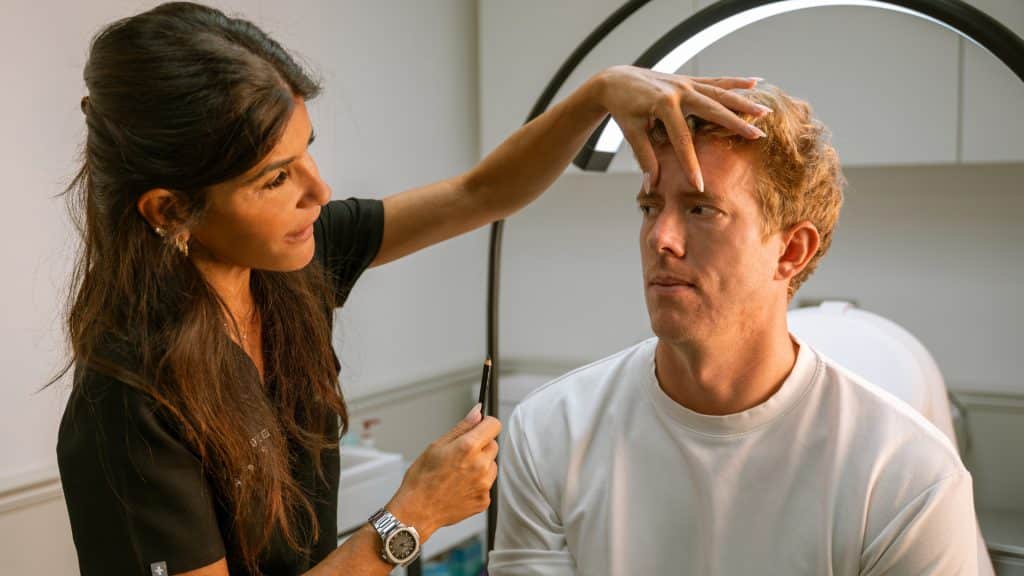
A consultation with Dr Ellie Sateei will establish what has actually changed, explain which options are appropriate and why, and set out realistic expectations before anything is agreed.